STARBOOKS NEWS

𝗡𝗘𝗪𝗦 | DOST, CAPSU Bring STARBOOKS and BIDA Systems to Learners in Dumarao Through SAGIP Project
June 24, 2026
by Salingsing Publication CAPSU Dumarao Satellite College
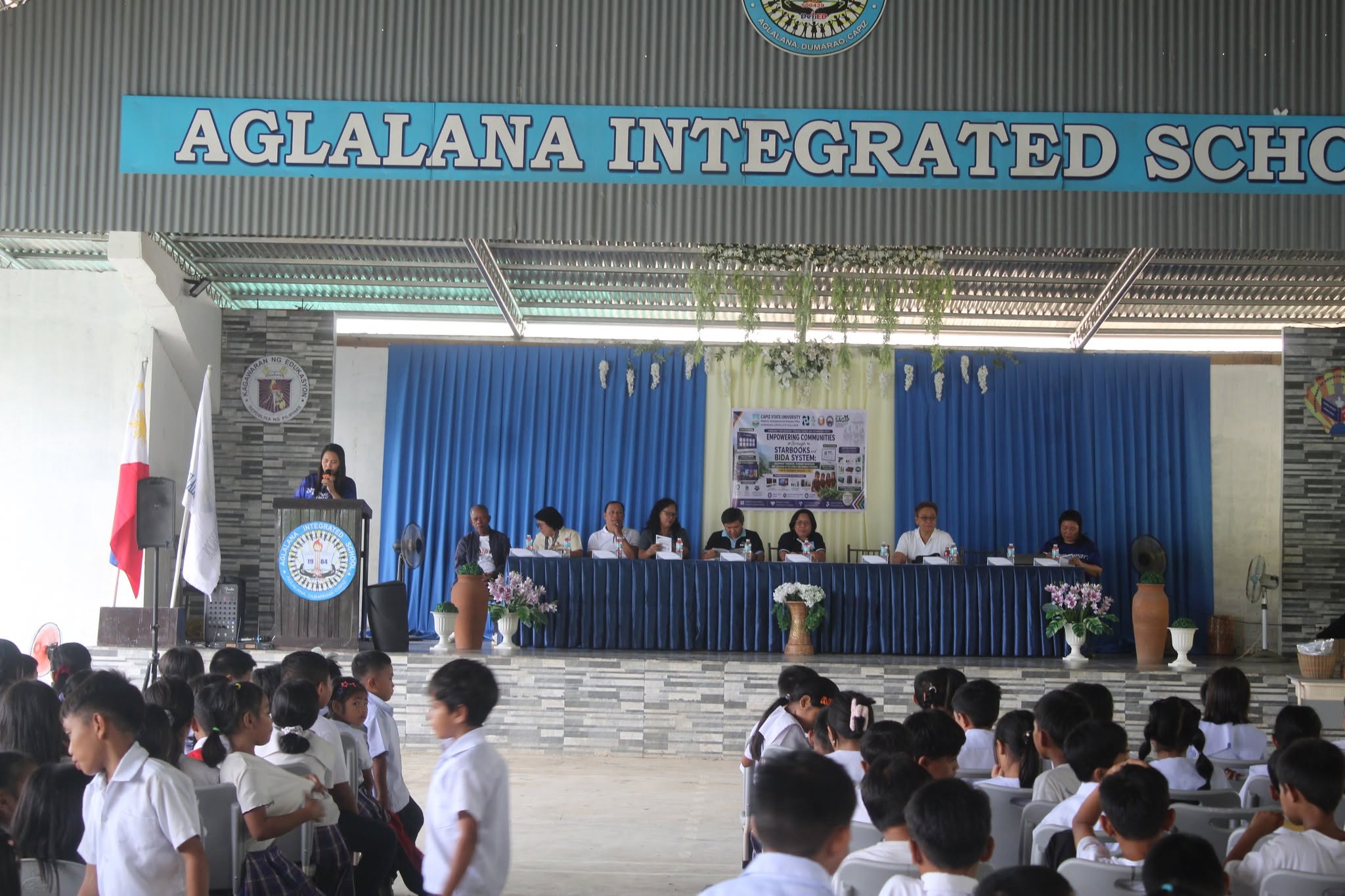
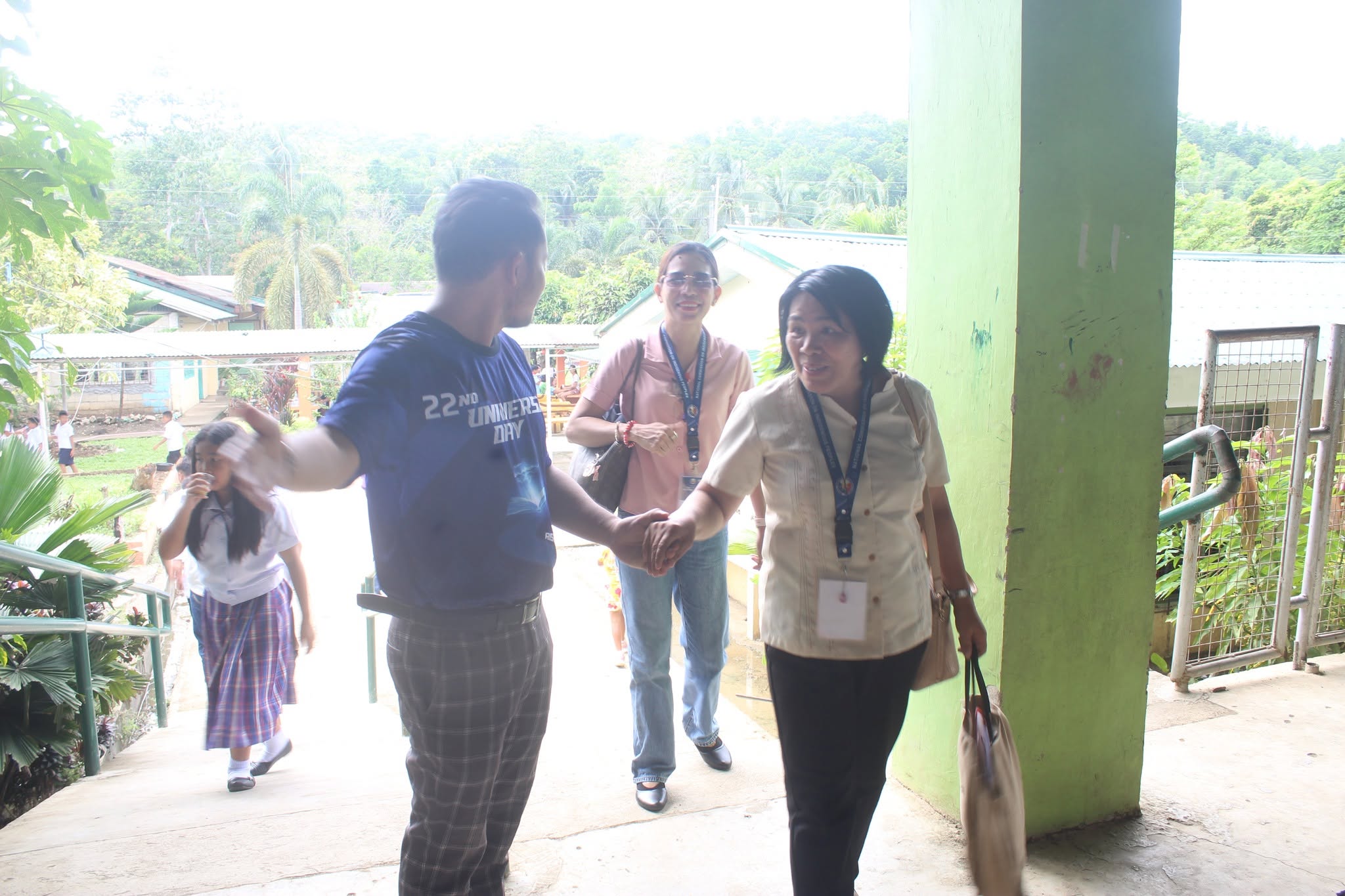
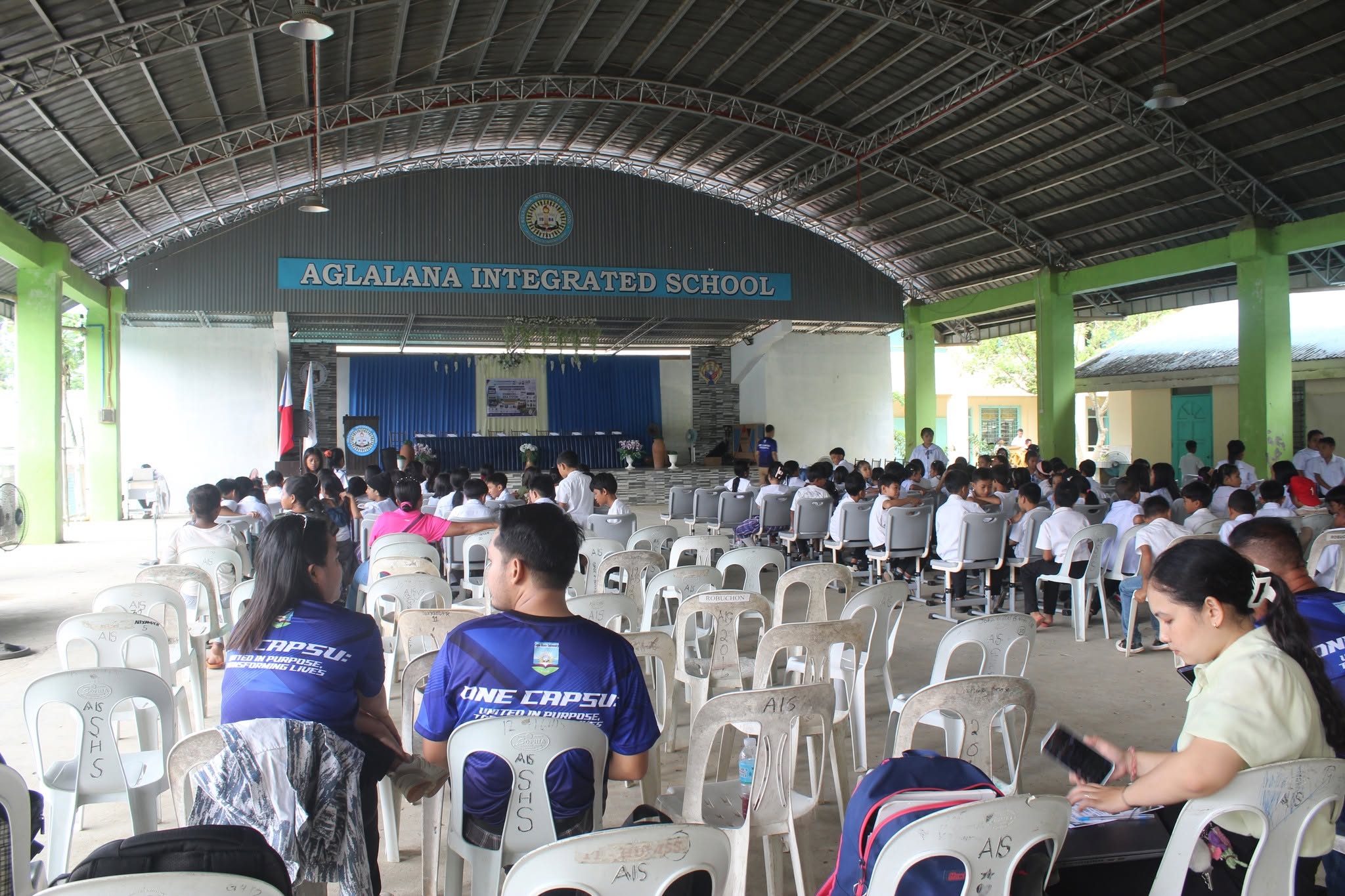
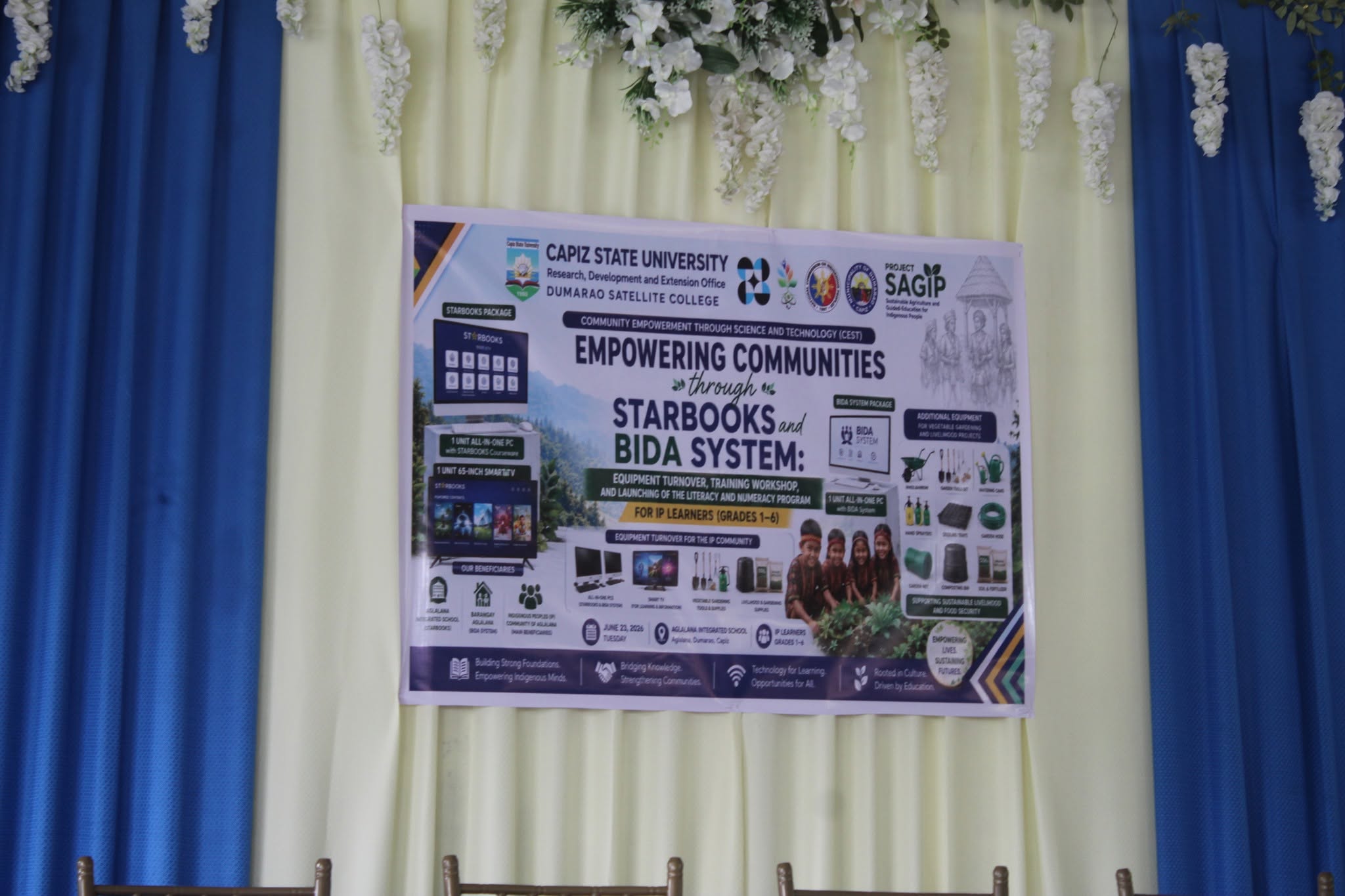
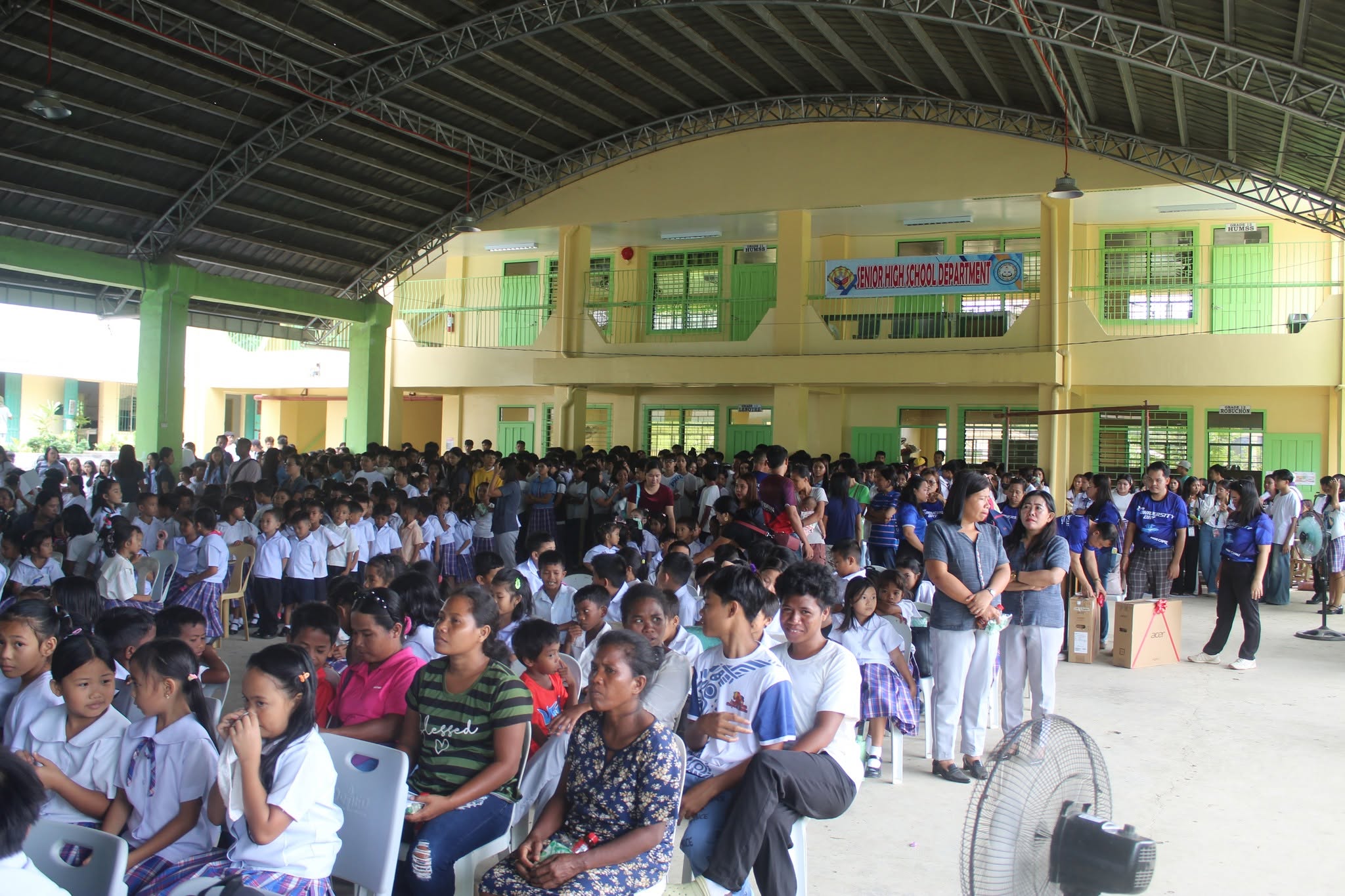
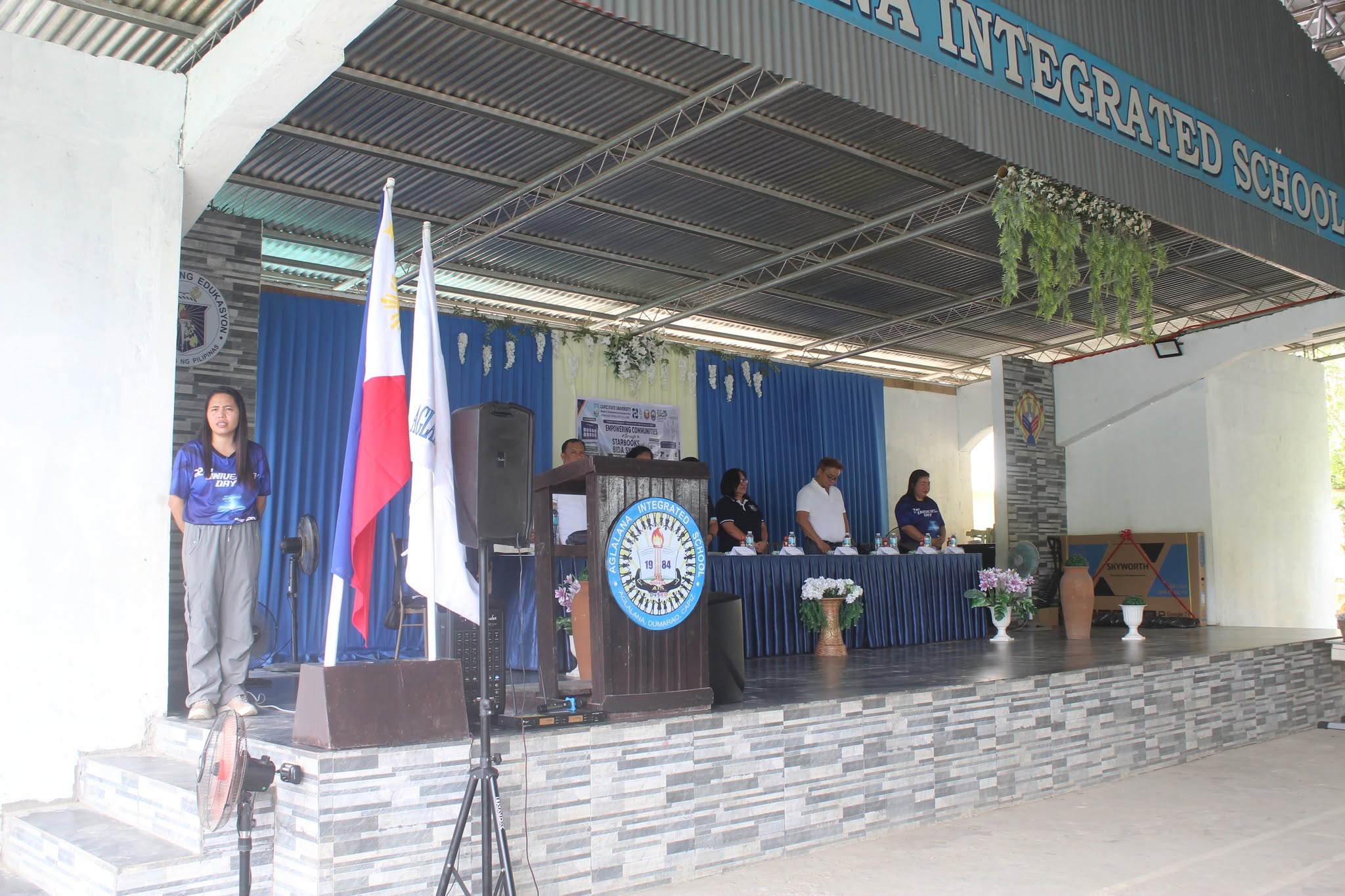
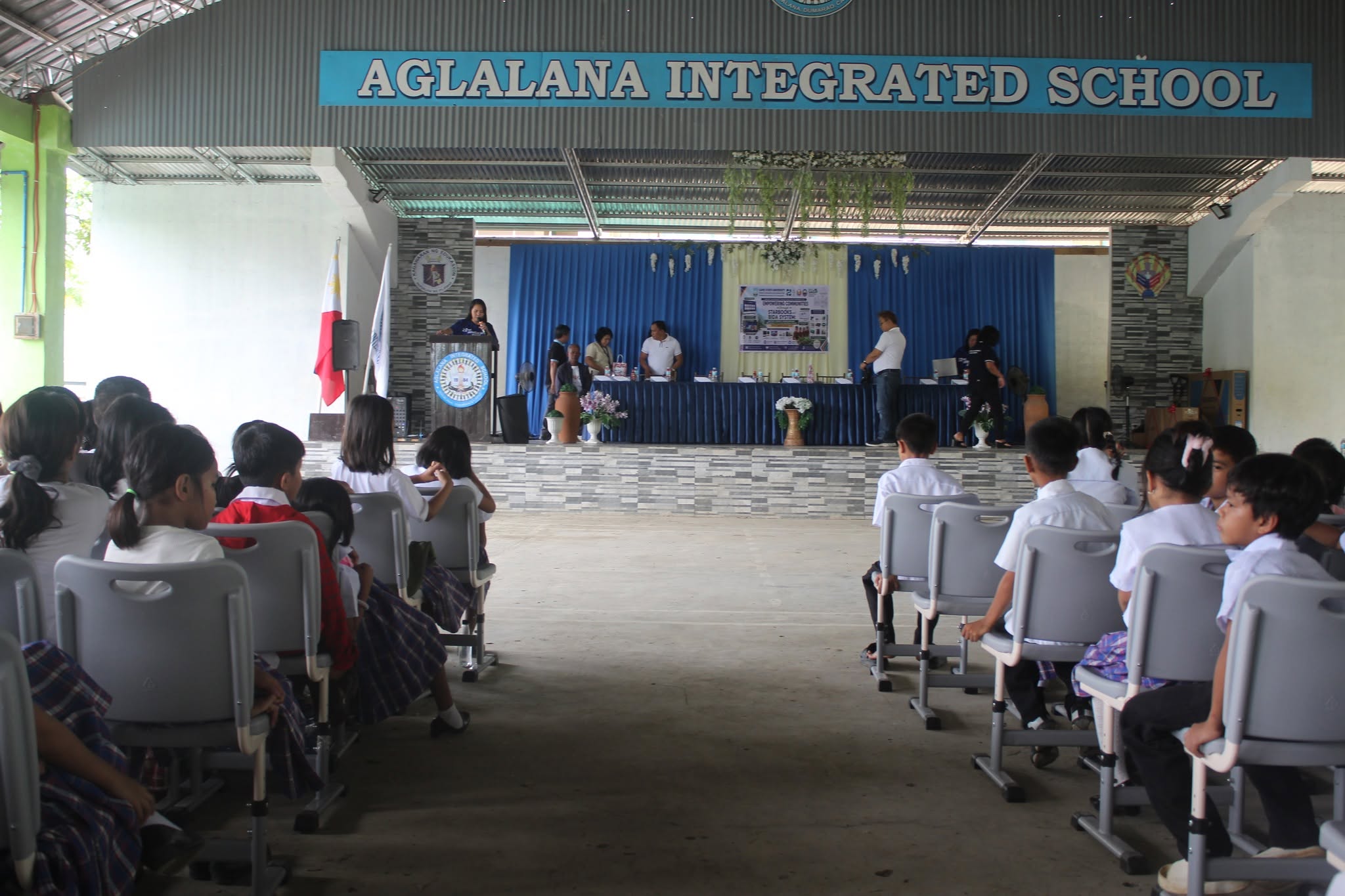
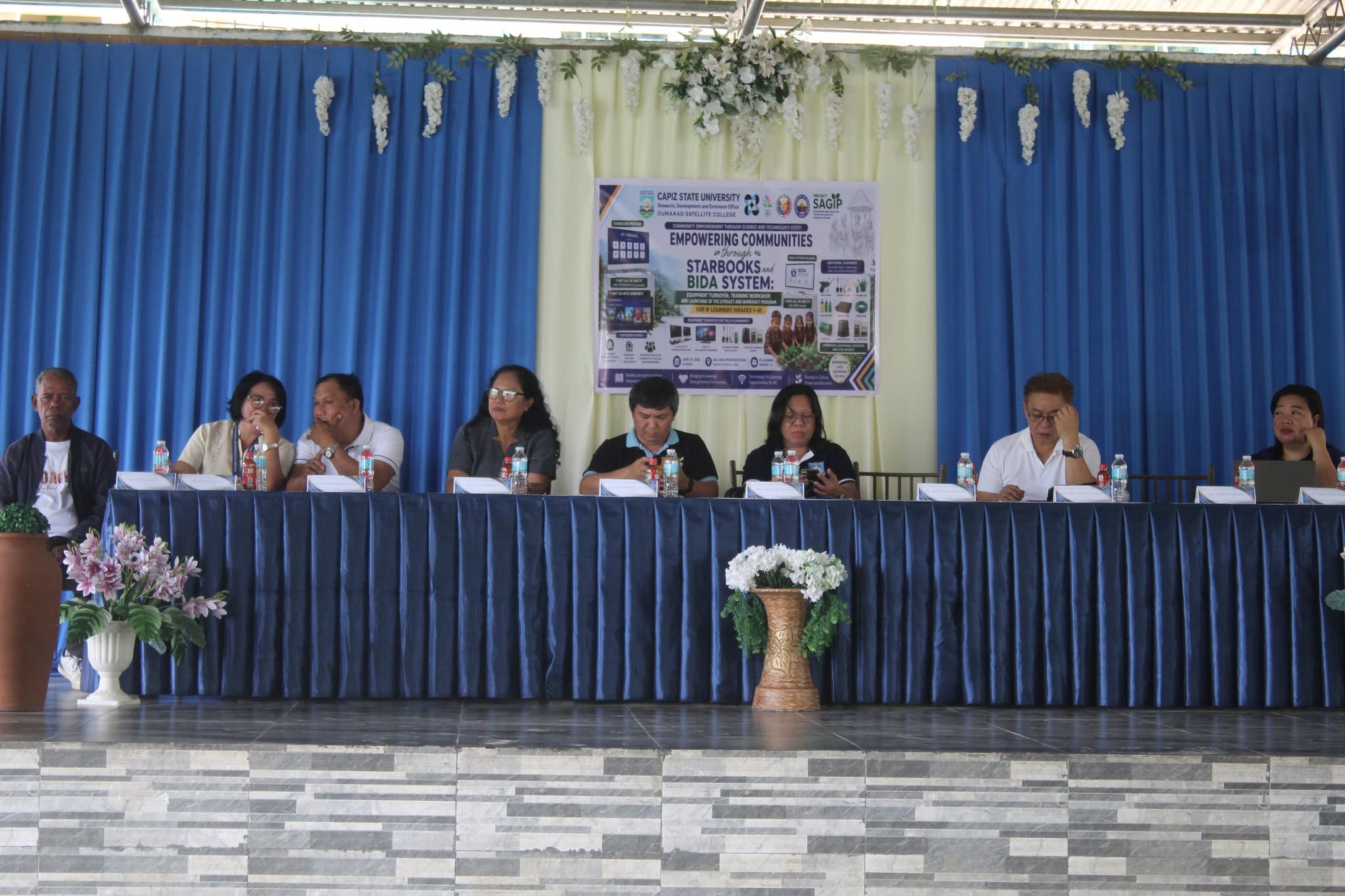
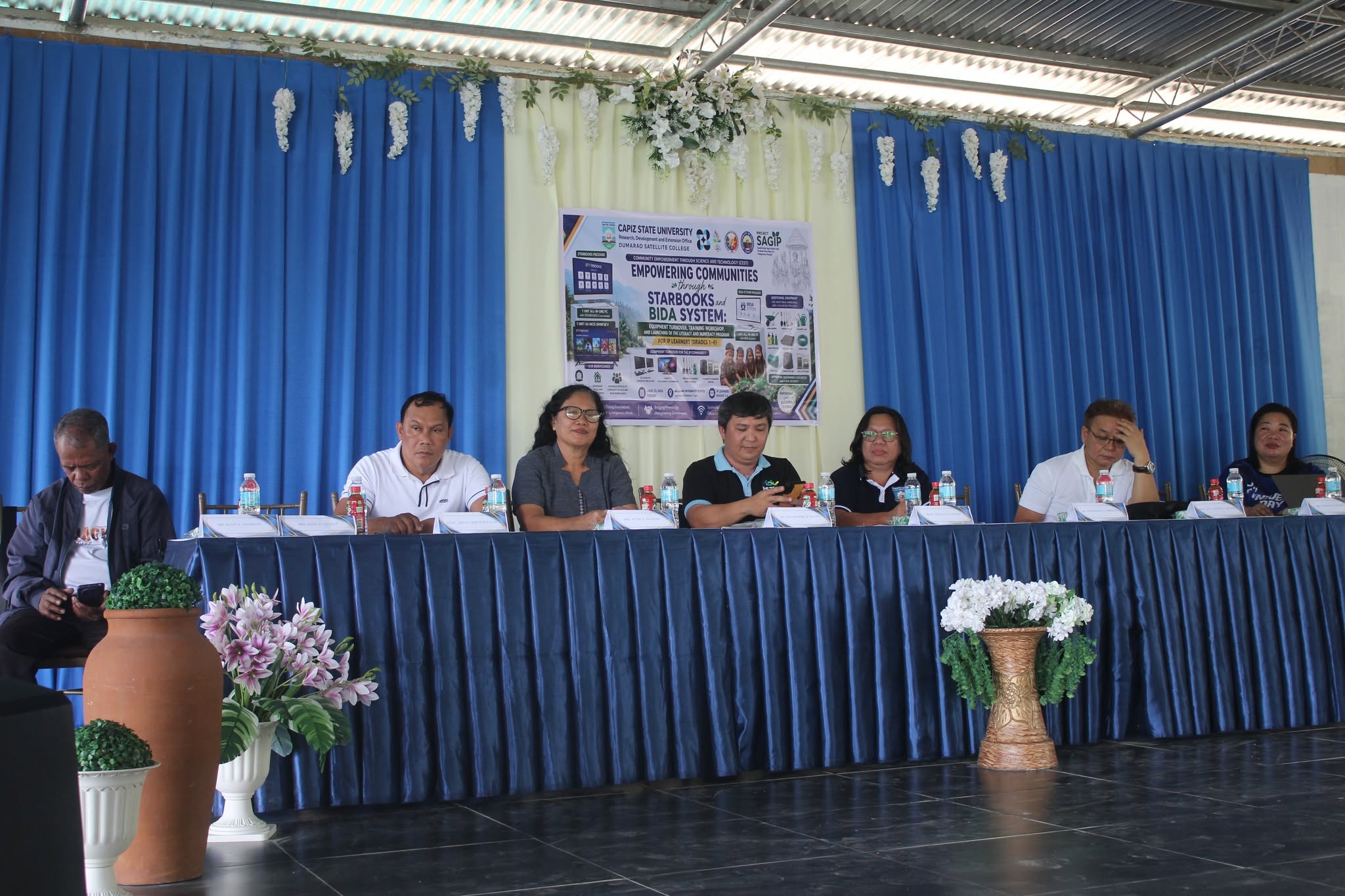
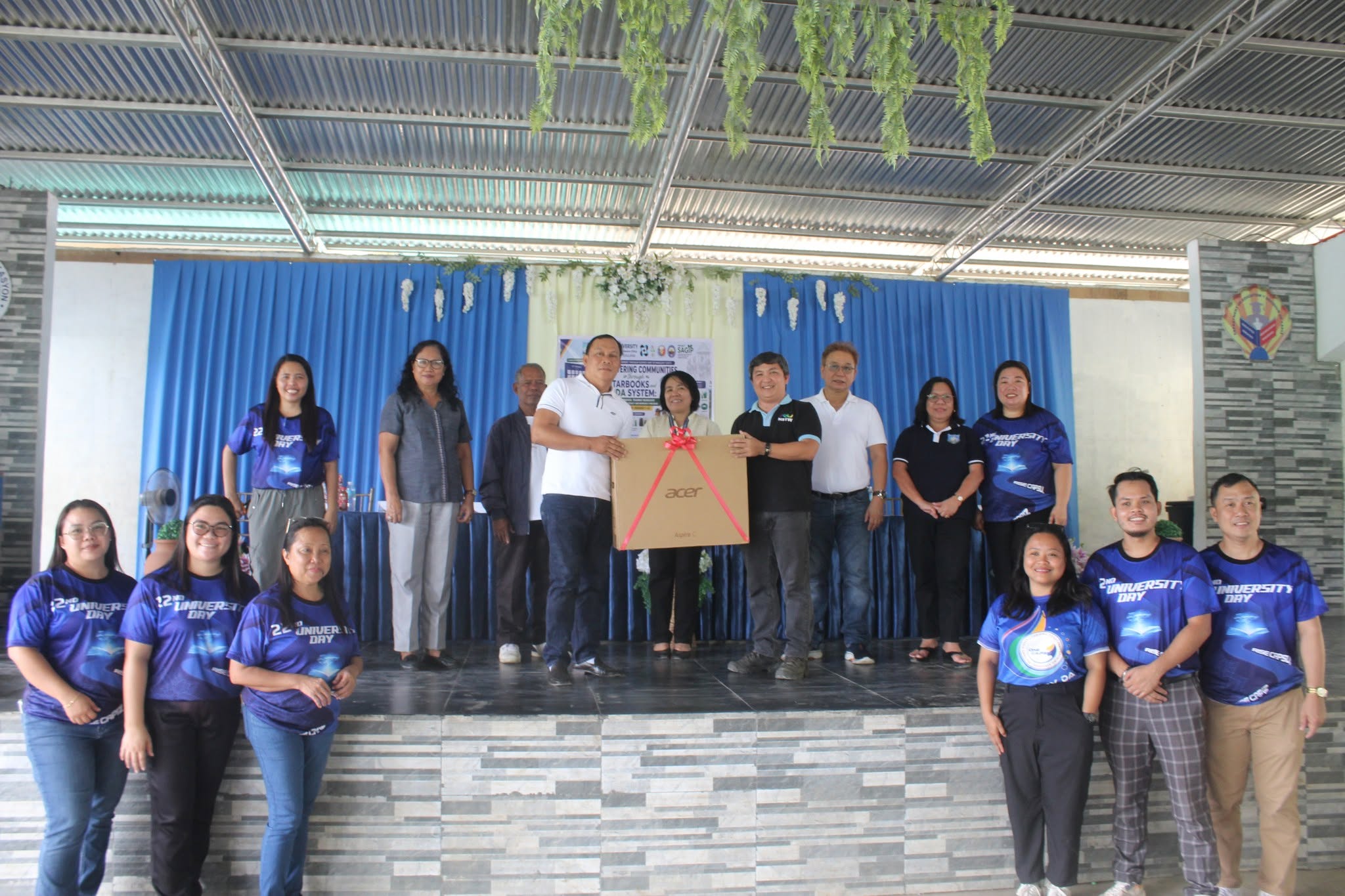
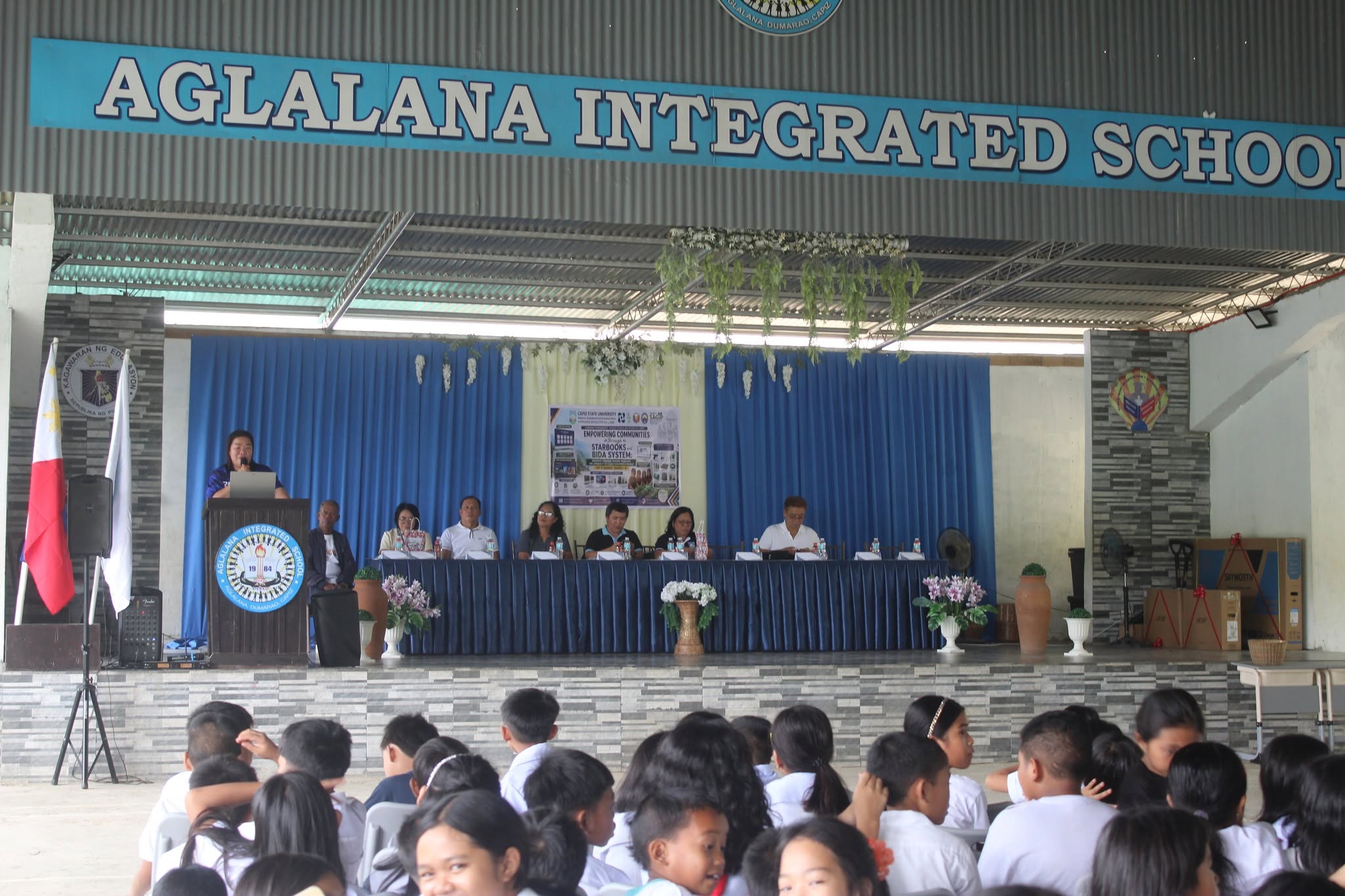
𝗗𝗨𝗠𝗔𝗥𝗔𝗢, 𝗖𝗮𝗽𝗶𝘇 – Learners at Aglalana Integrated School (AIS) in Dumarao, Capiz now have greater access to digital learning resources following the turnover of STARBOOKS and BIDA systems by the Department of Science and Technology (DOST), in partnership with Capiz State University (CAPSU) Dumarao Satellite College, on June 23, 2026.
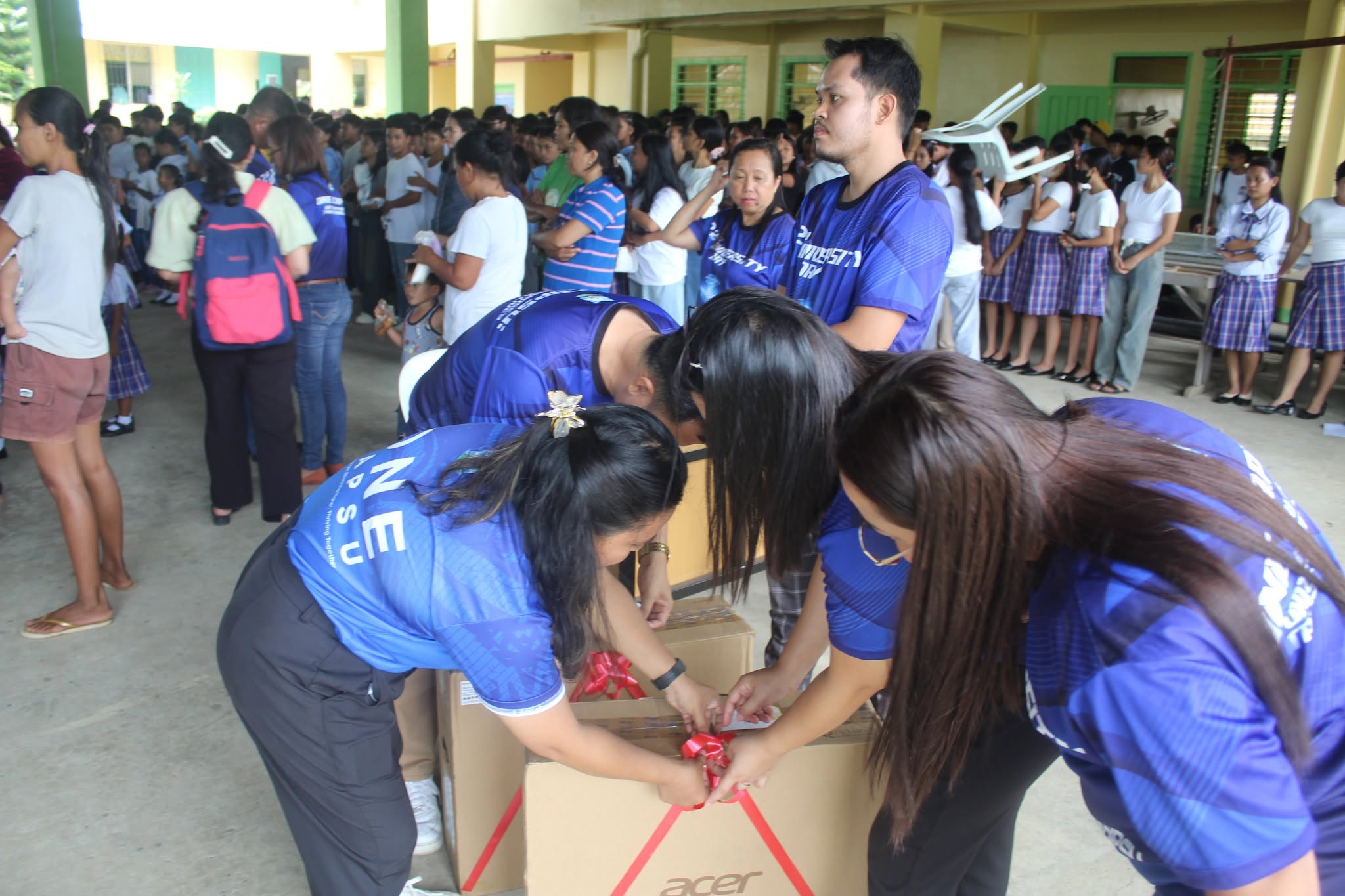
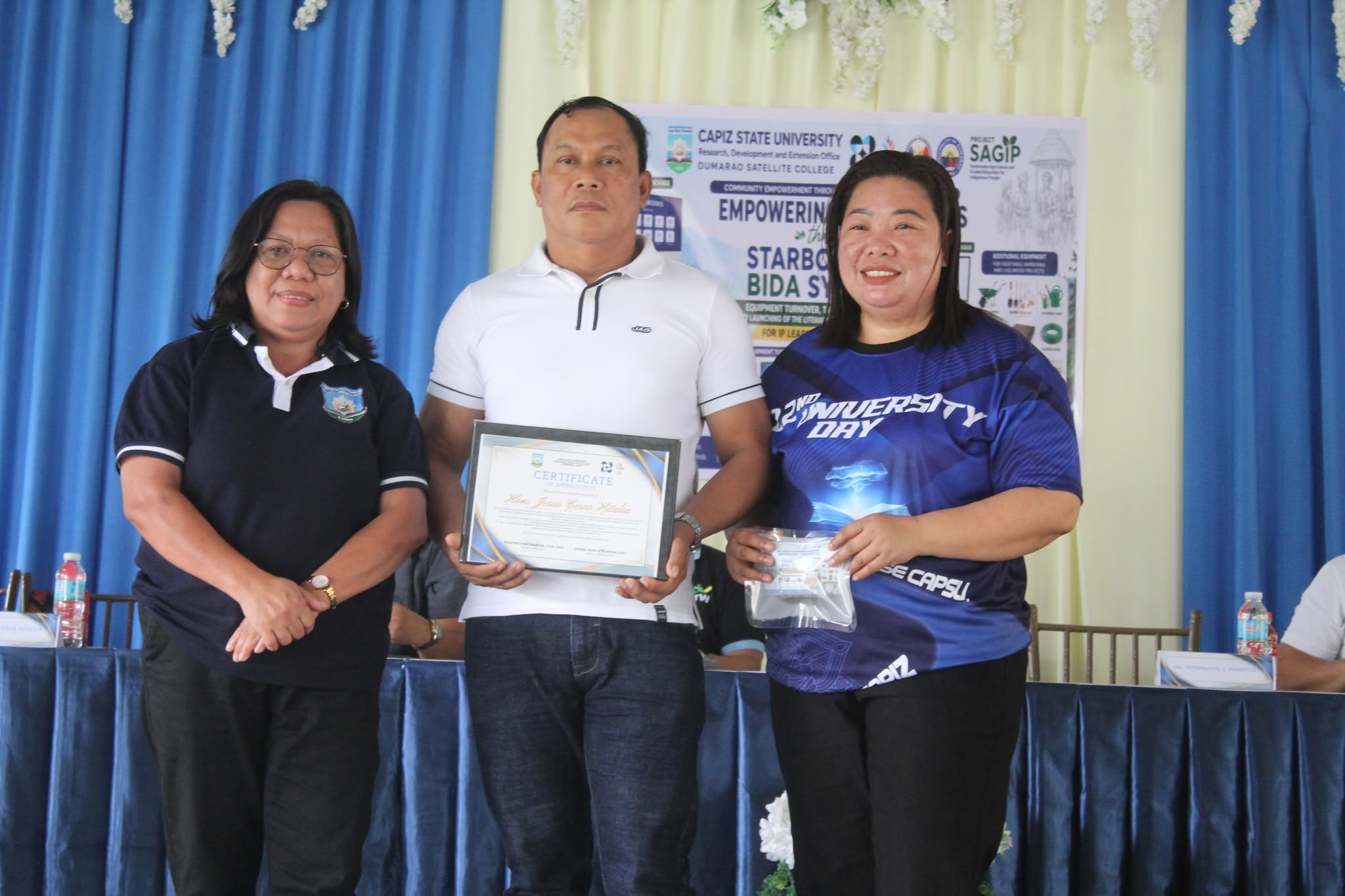
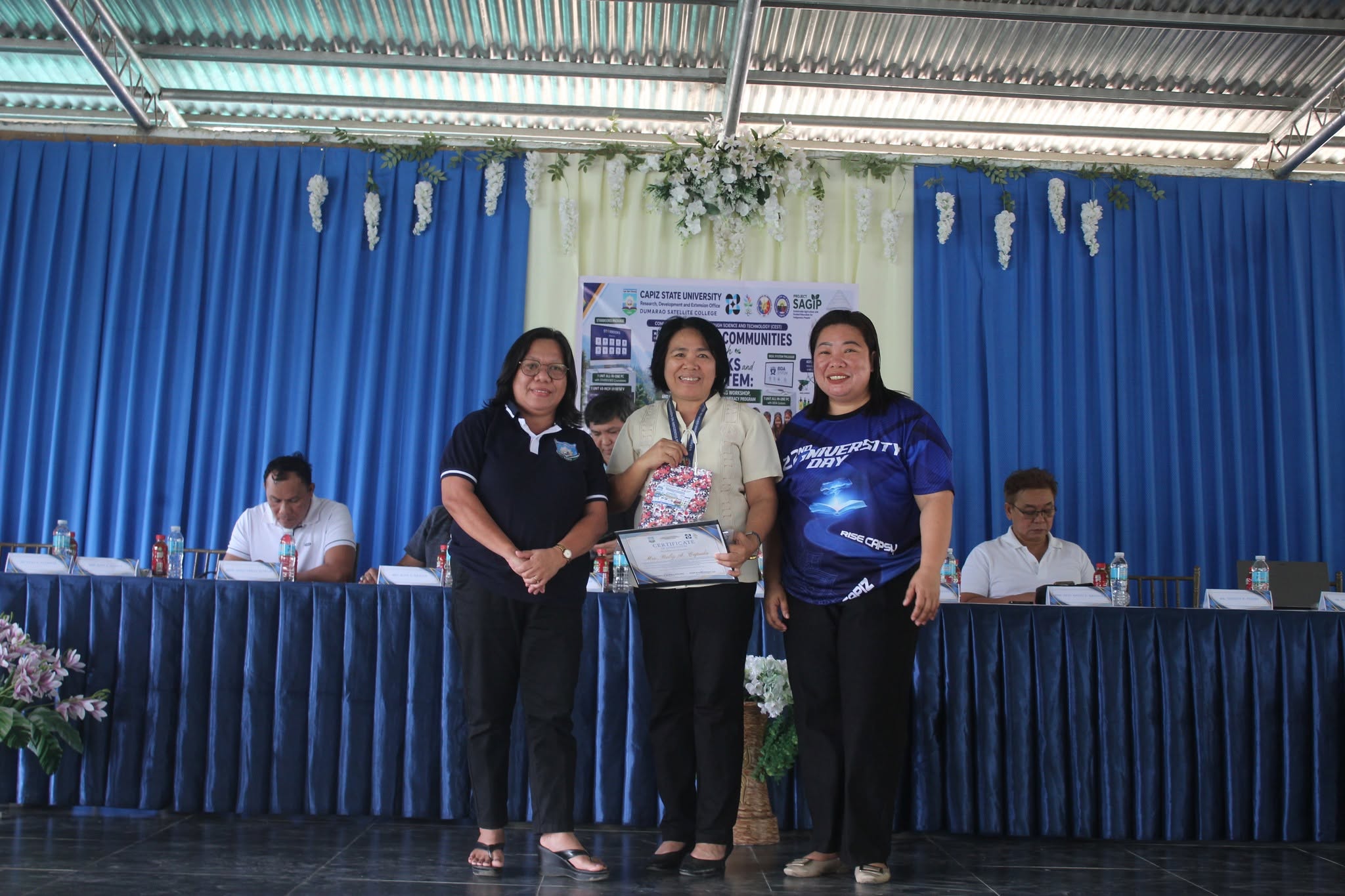
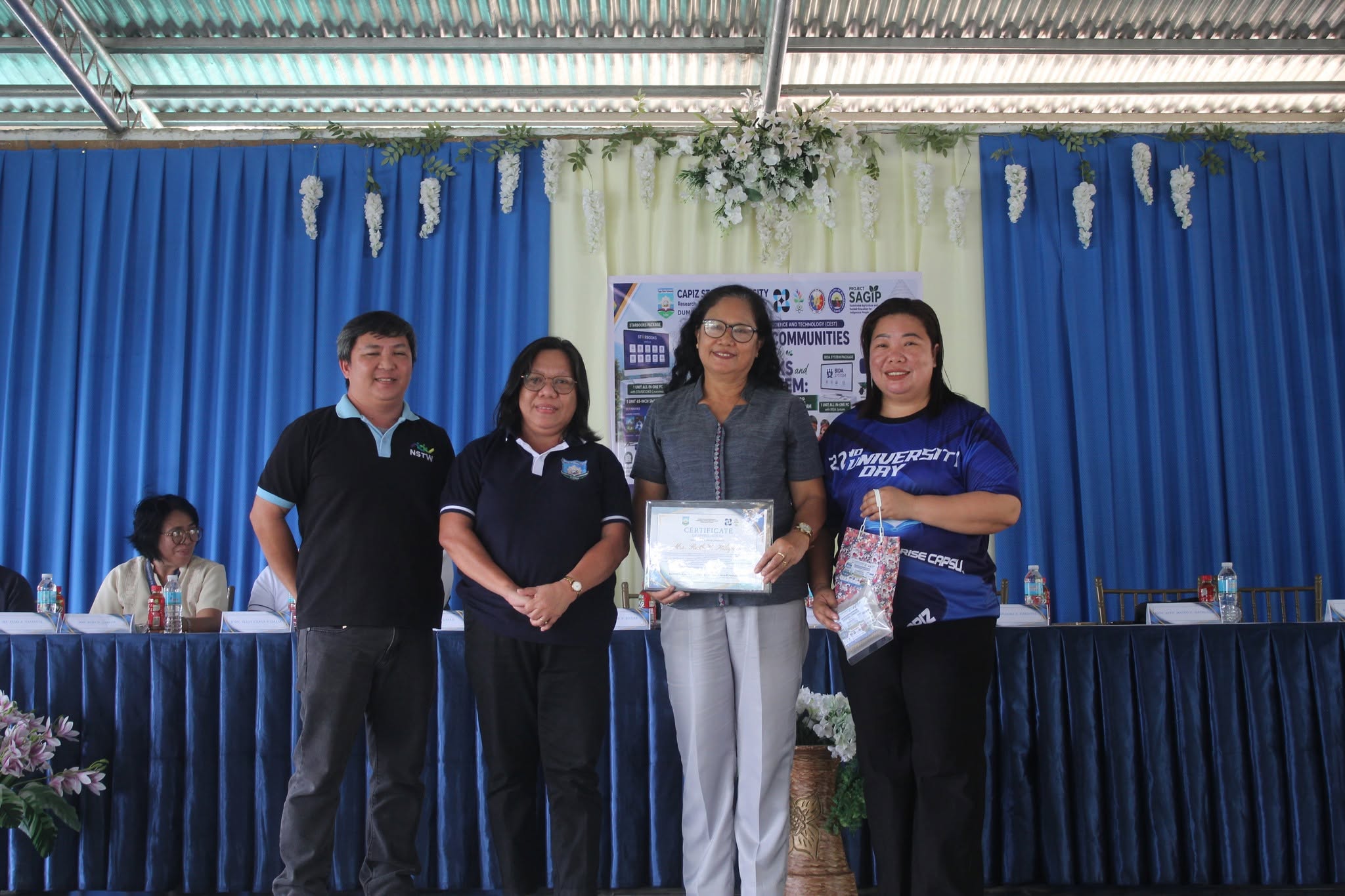
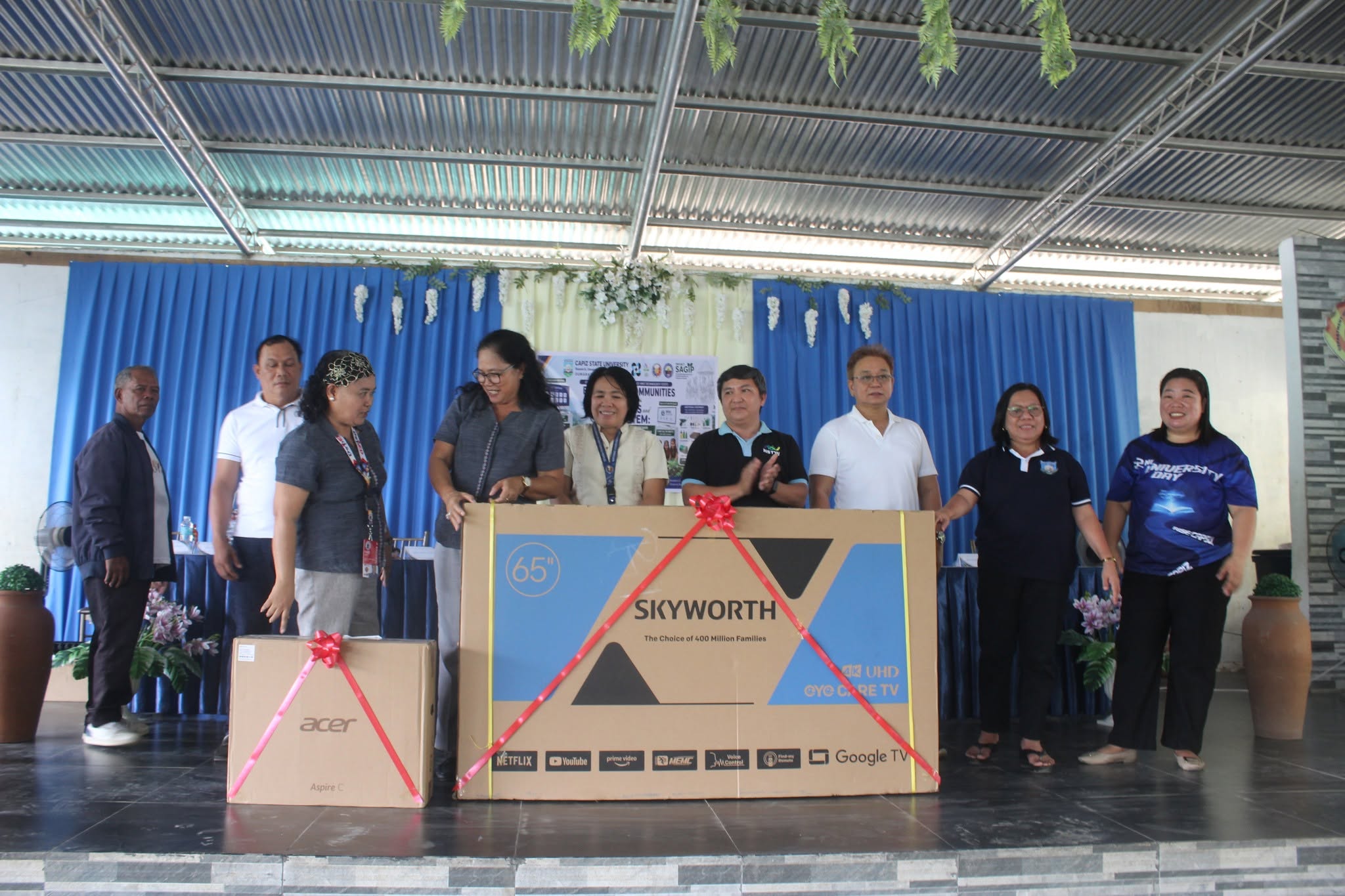
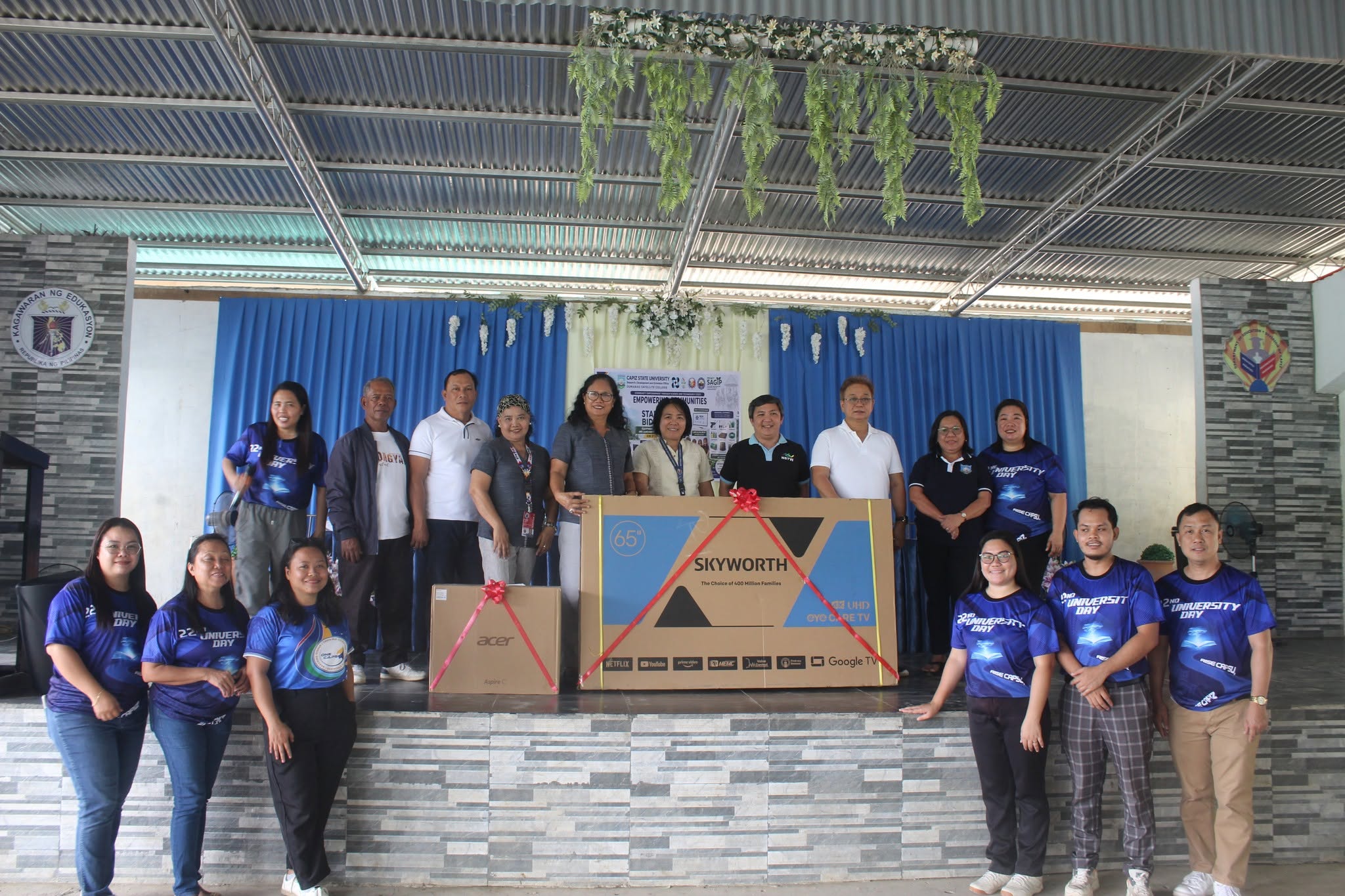
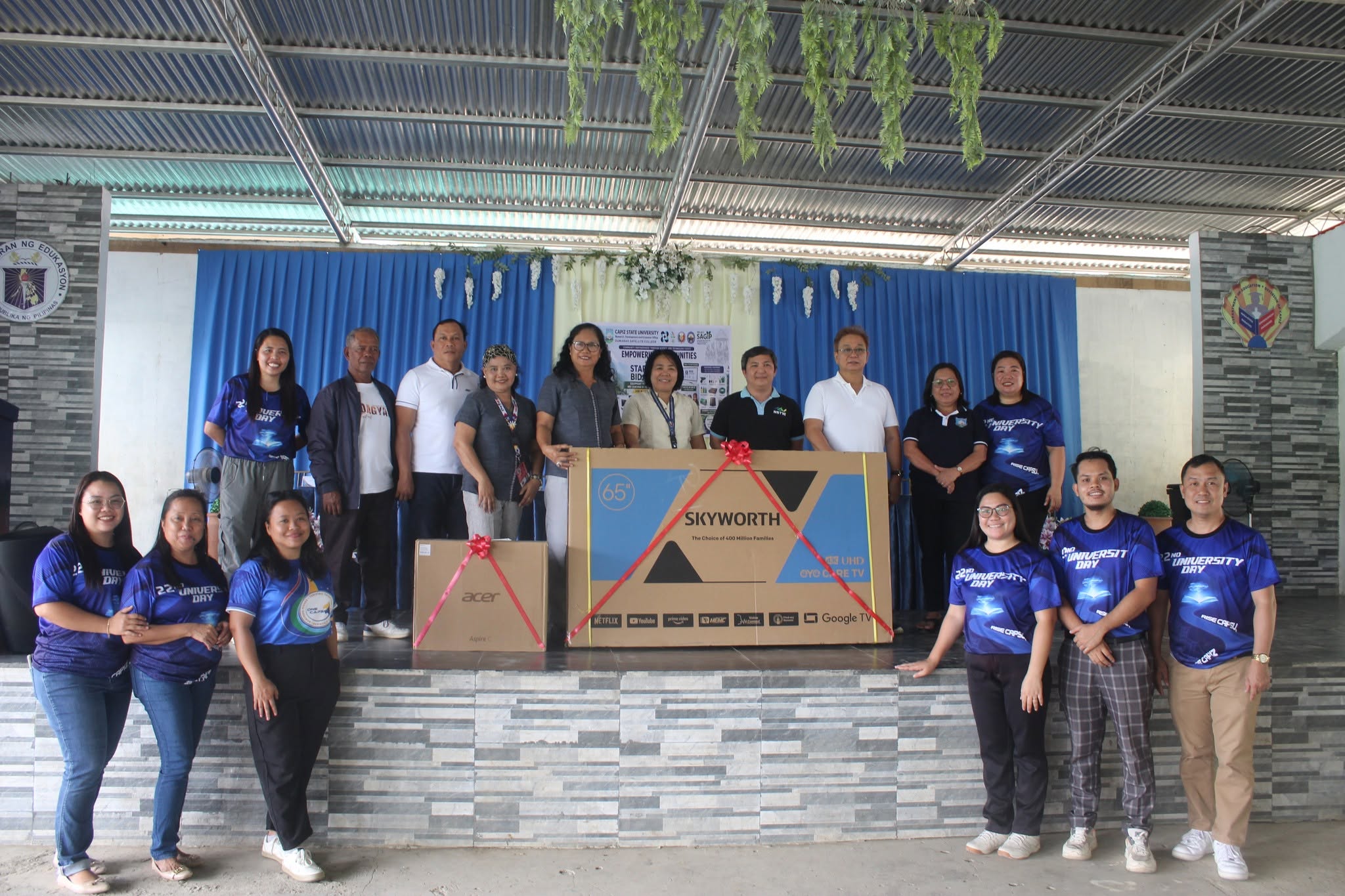
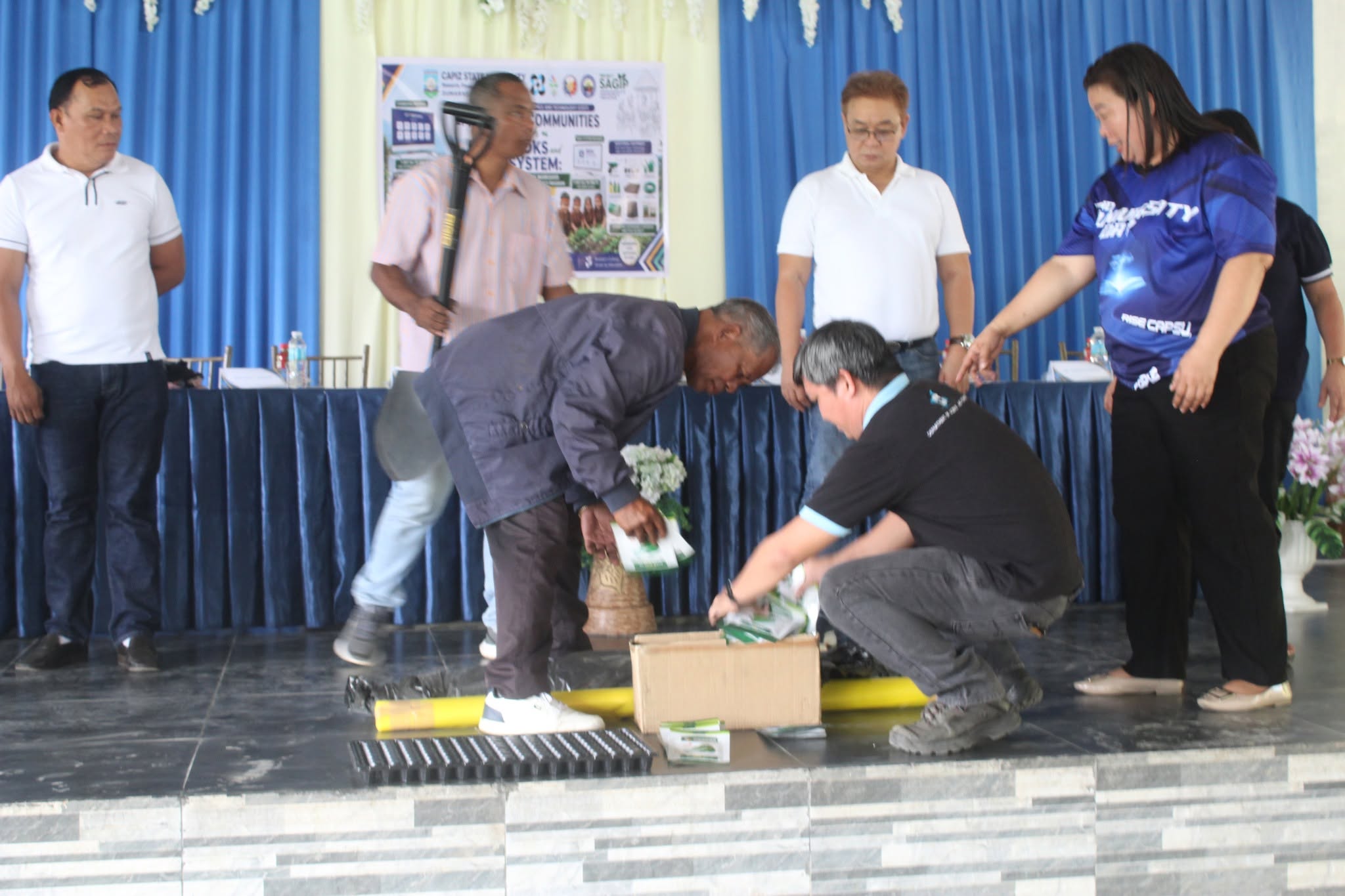
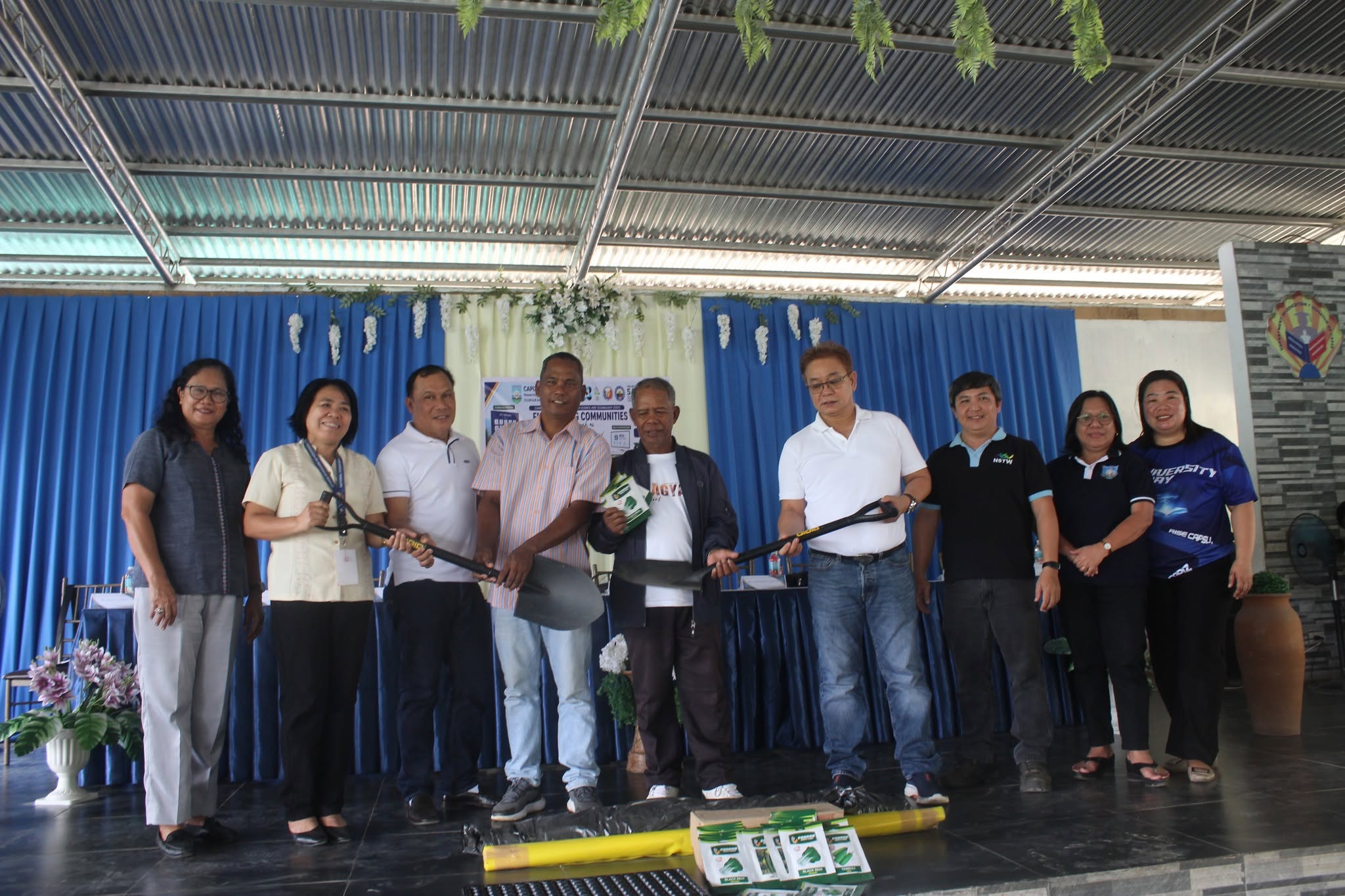
During the turnover ceremony, Aglalana Integrated School, represented by Officer-in-Charge Mrs. Ruth Hilapad, received a 65-inch Smart TV and an all-in-one personal computer for the STARBOOKS facility. Barangay Aglalana, through Barangay Captain Jeus Cerus Hitalia, received an all-in-one personal computer for the implementation of the BIDA System. Members of the indigenous community likewise received gardening tools, seeds, seedlings, and an incubator to support livelihood and sustainability initiatives under the project.
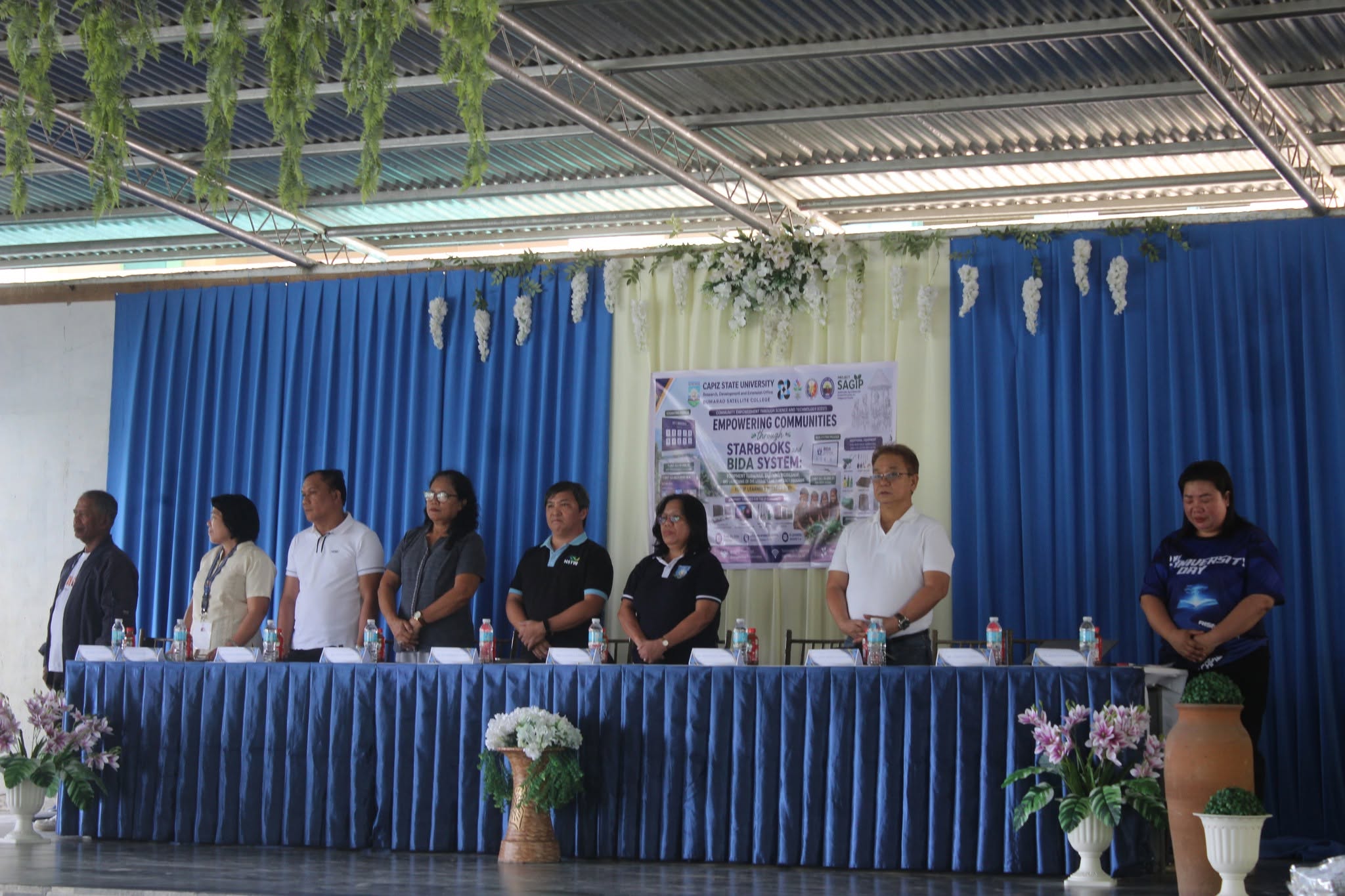
The activity was conducted under the Sustainable Agriculture and Guided-Education for Indigenous People (SAGIP) Project, which seeks to improve educational opportunities and learning outcomes among learners in geographically isolated and underserved communities through science, technology, and community-based interventions.
A major highlight of the event was the introduction of the STARBOOKS (Science and Technology Academic and Research-Based Openly Operated Kiosks) and the BIDA (Barangay Infosystem for Development and Accountability) System, innovative platforms designed to provide learners, educators, and community stakeholders with access to educational resources, information, and digital services, even in areas with limited internet connectivity.
𝗦𝘁𝗮𝗸𝗲𝗵𝗼𝗹𝗱𝗲𝗿𝘀 𝗘𝘅𝗽𝗿𝗲𝘀𝘀 𝗦𝘂𝗽𝗽𝗼𝗿𝘁 𝗳𝗼𝗿 𝘁𝗵𝗲 𝗦𝗔𝗚𝗜𝗣 𝗣𝗿𝗼𝗷𝗲𝗰𝘁
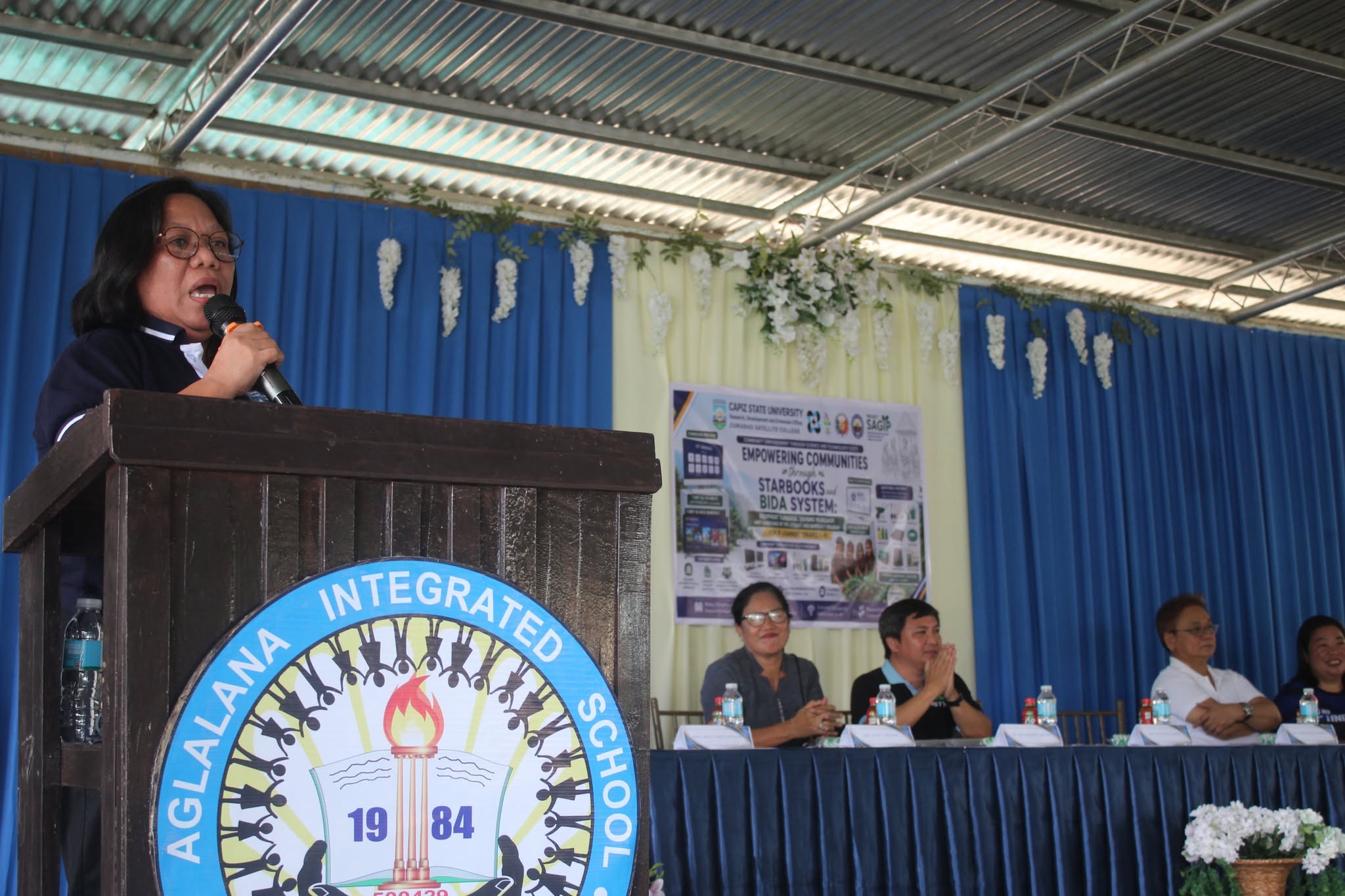
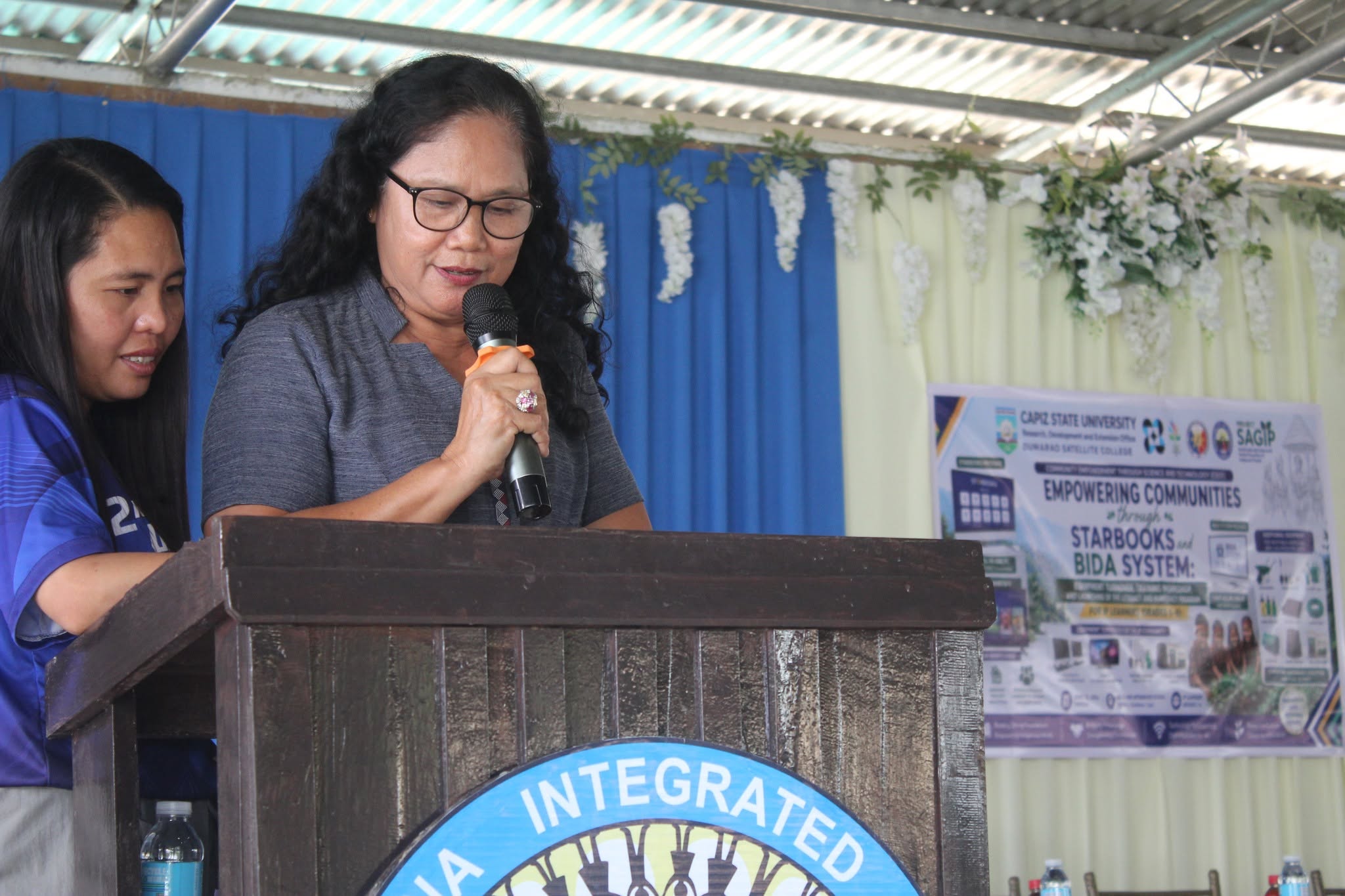
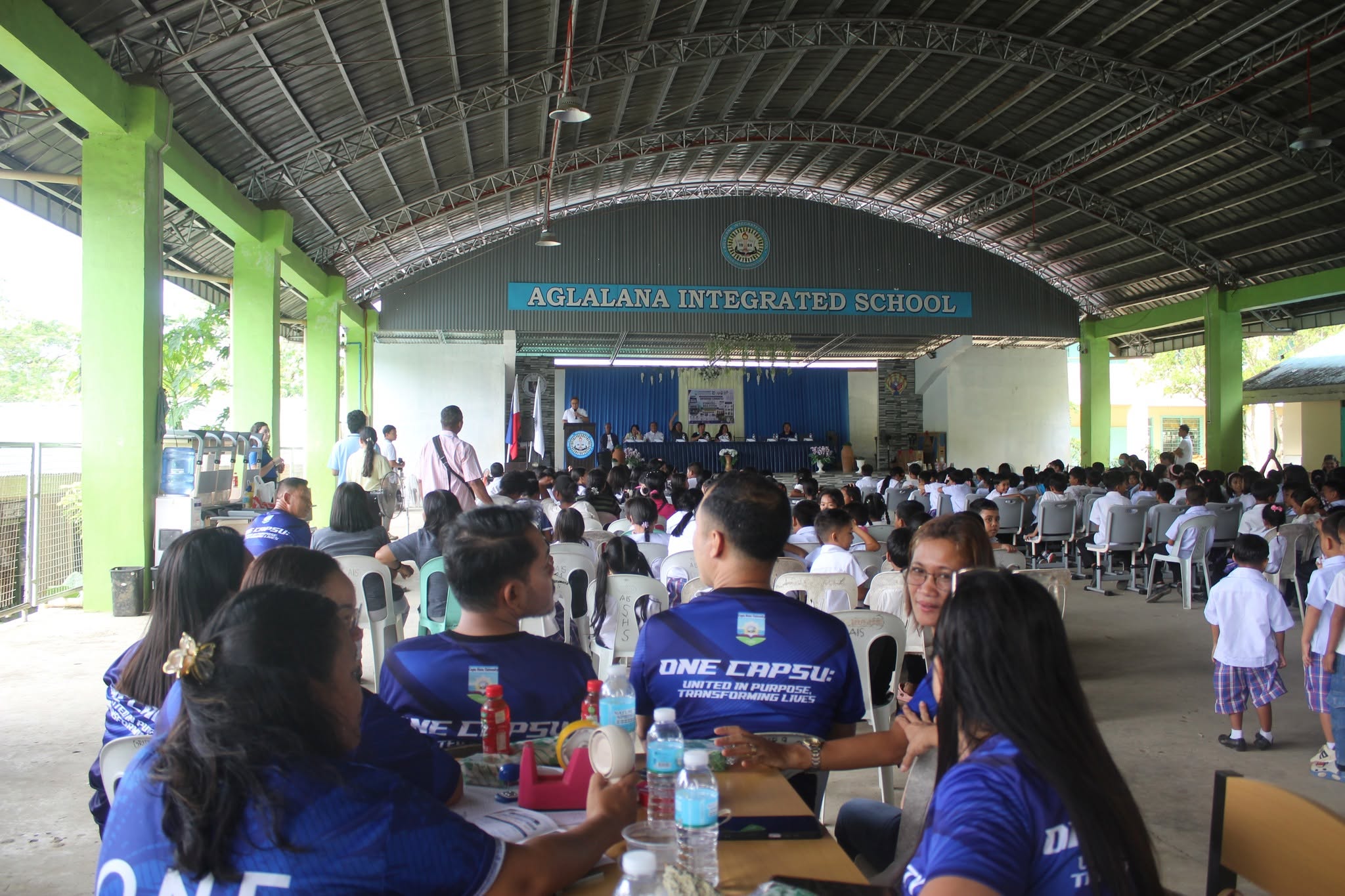
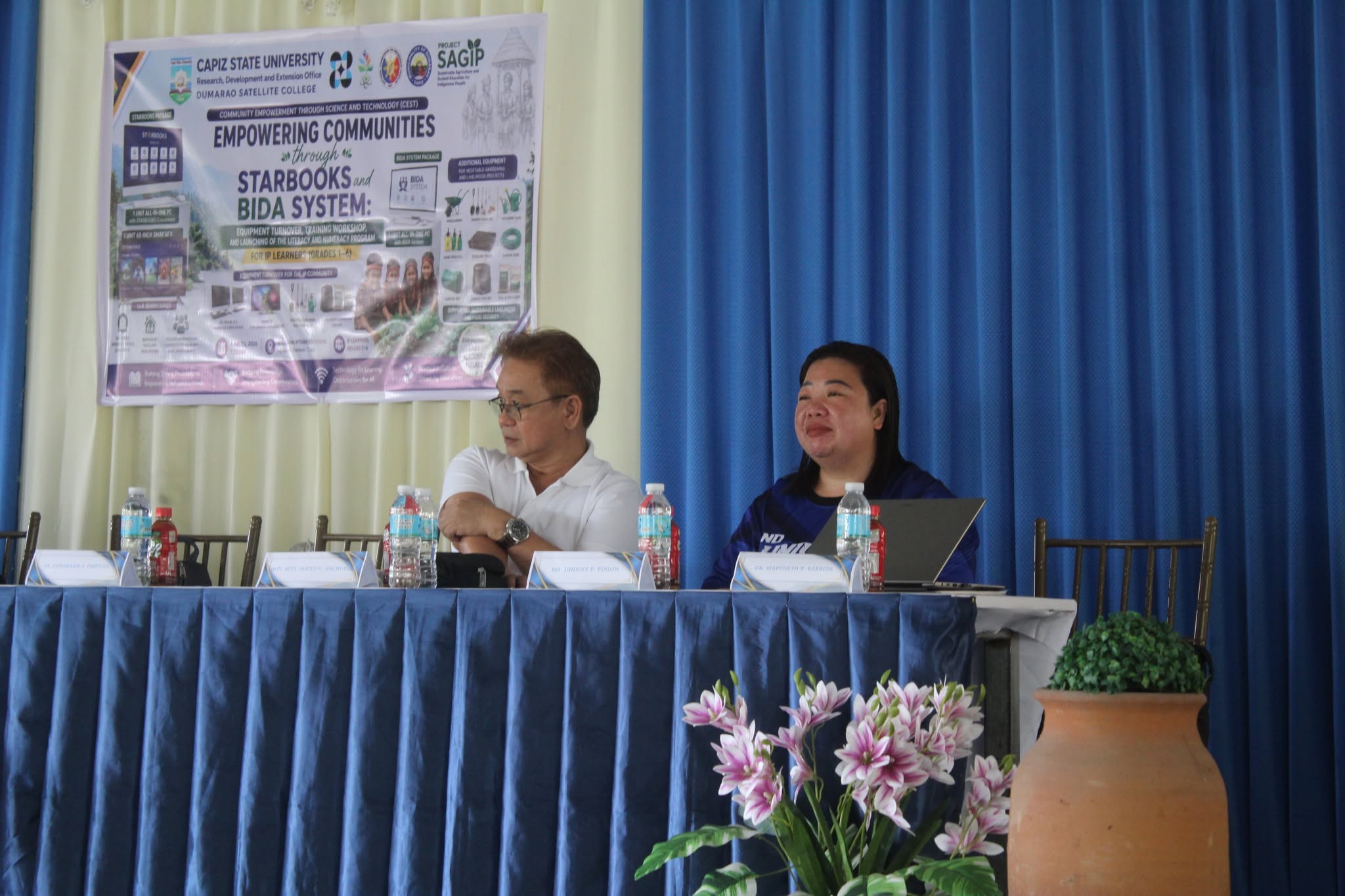
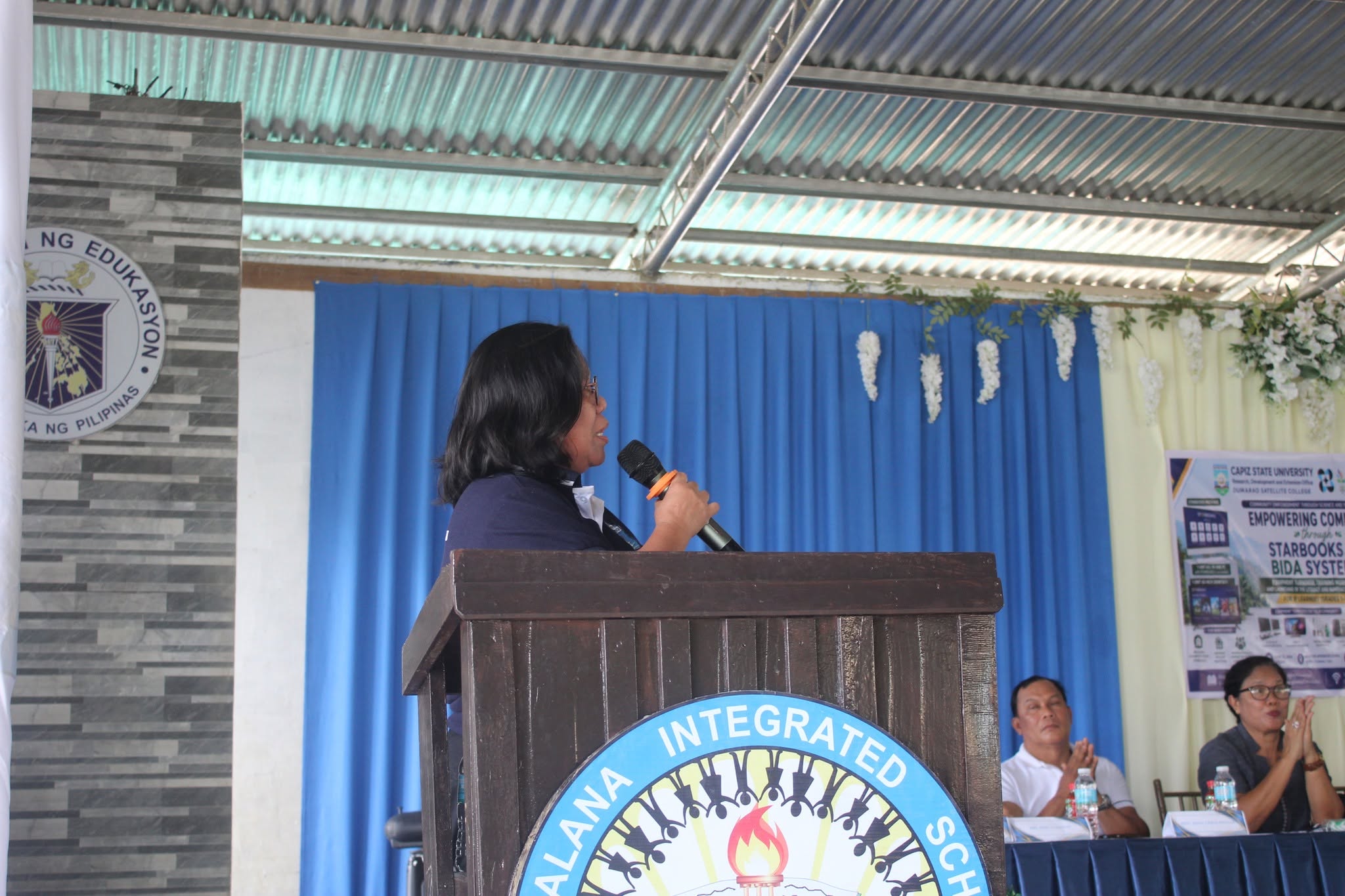
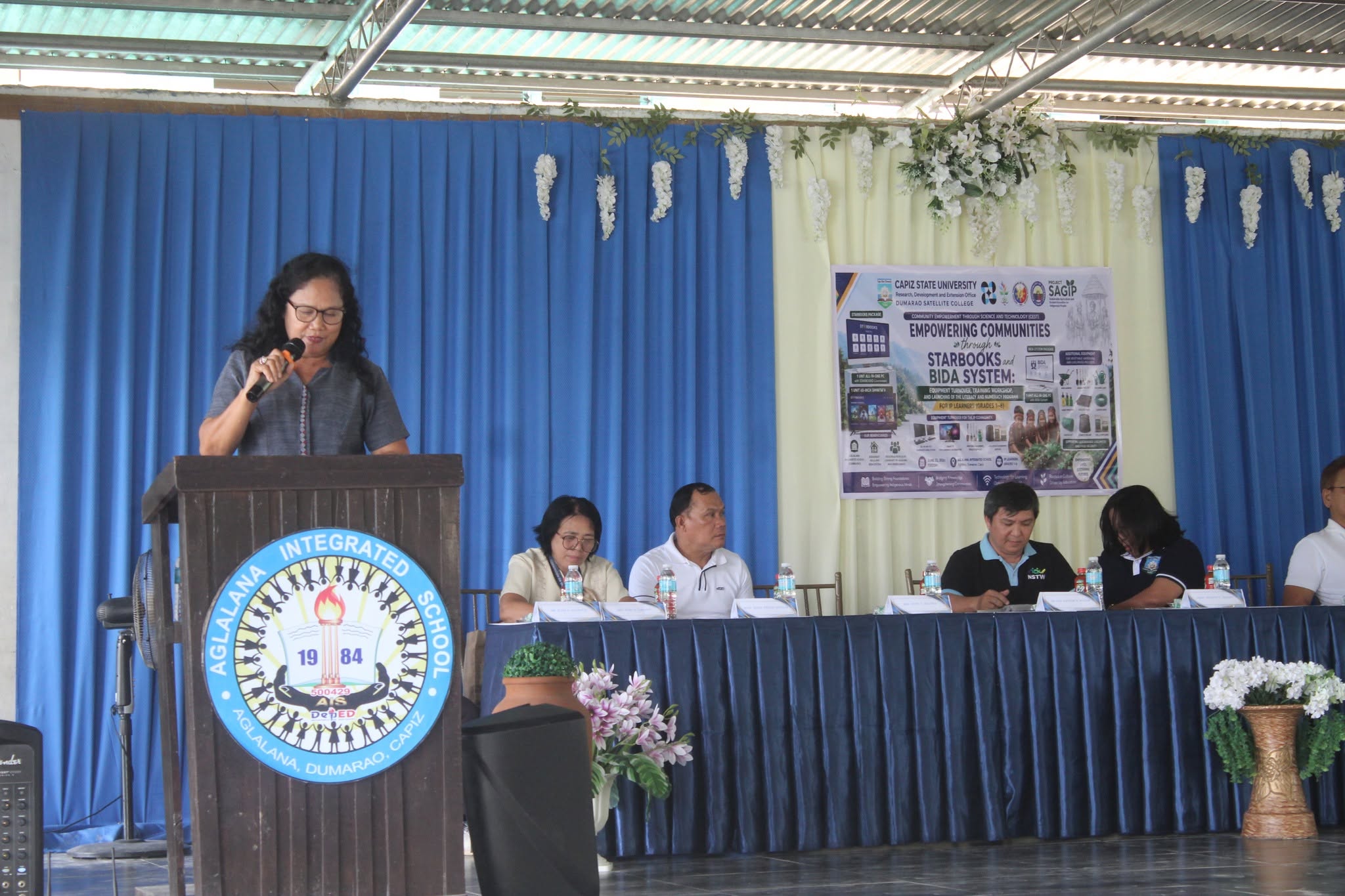
The morning program commenced with a welcome address from Mrs. Hilapad, who expressed her gratitude to DOST and CAPSU for bringing valuable educational resources and opportunities to the school and the wider community.
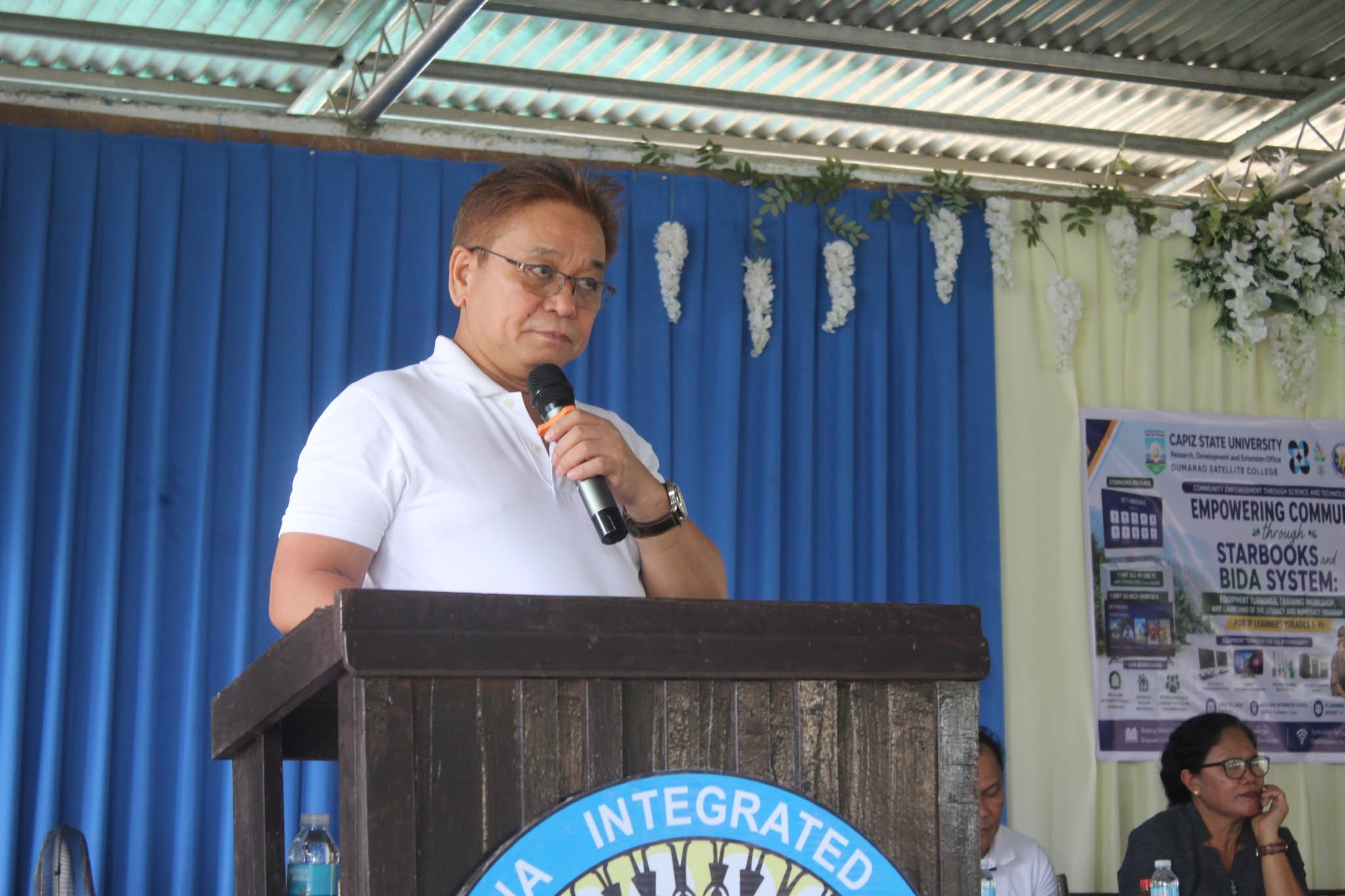
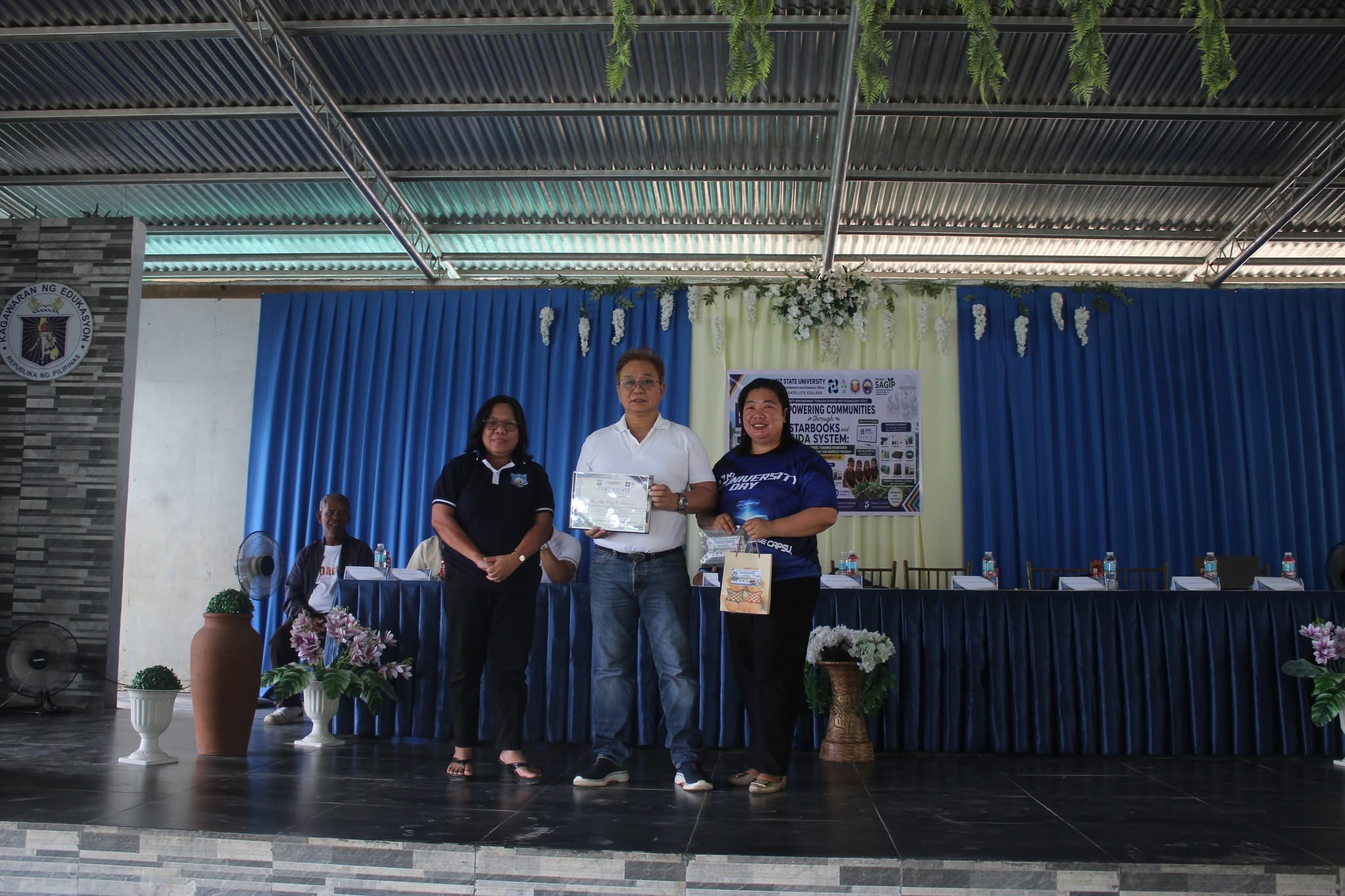
In his inspirational message, Dumarao Mayor Mateo Hachuela encouraged learners to remain hopeful and determined in pursuing their dreams, emphasizing that poverty should never be viewed as a barrier to success.
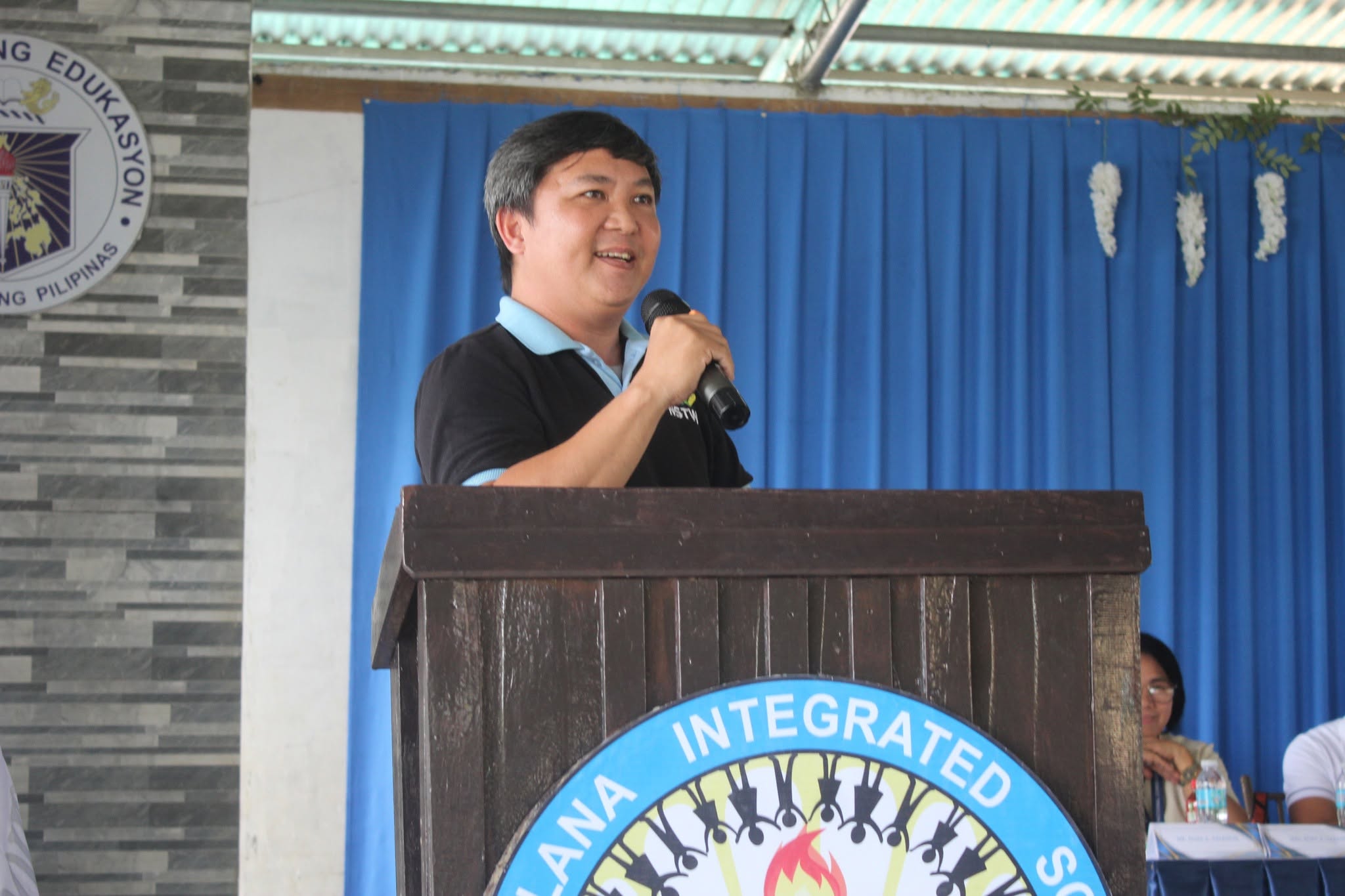
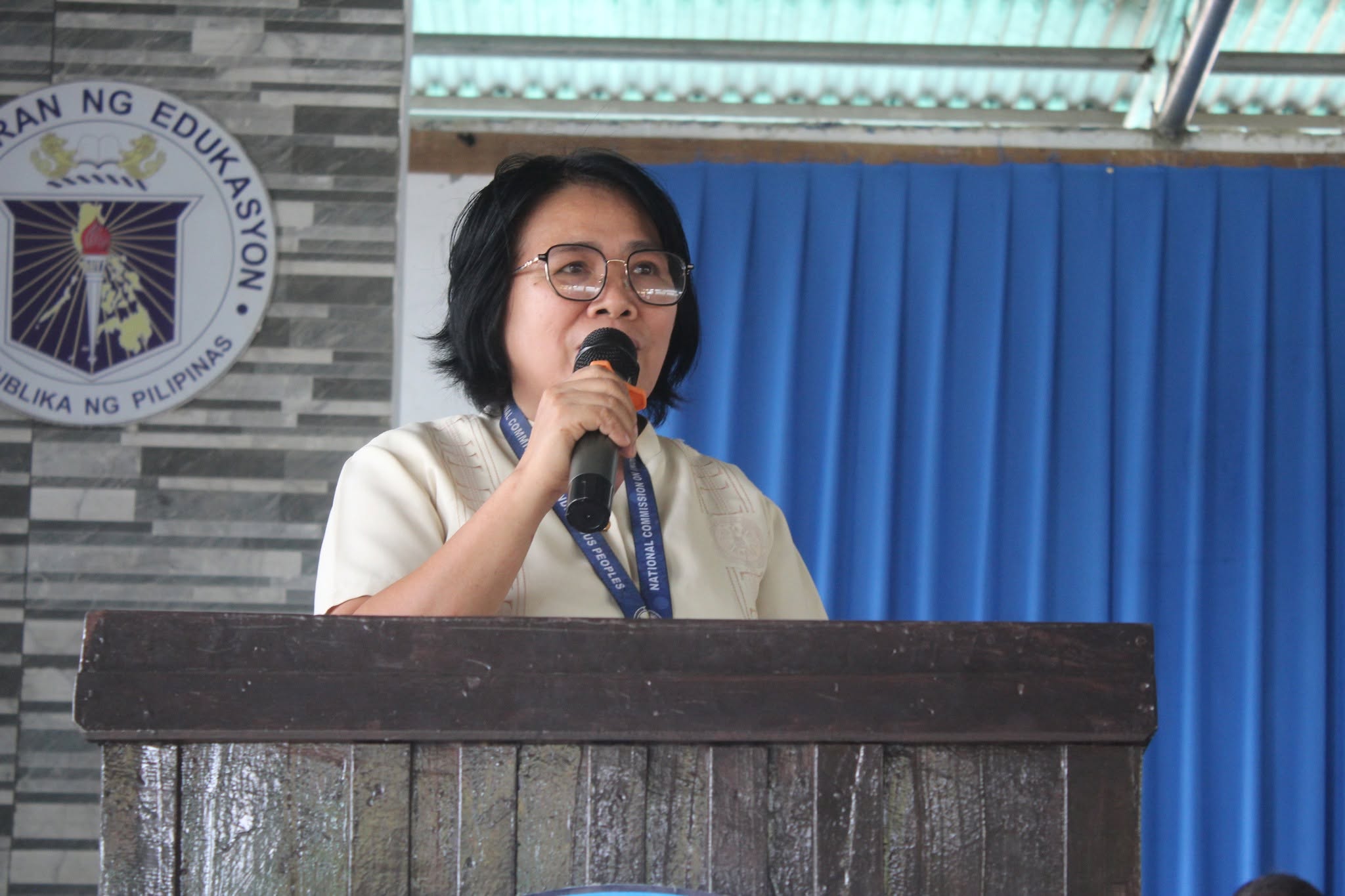
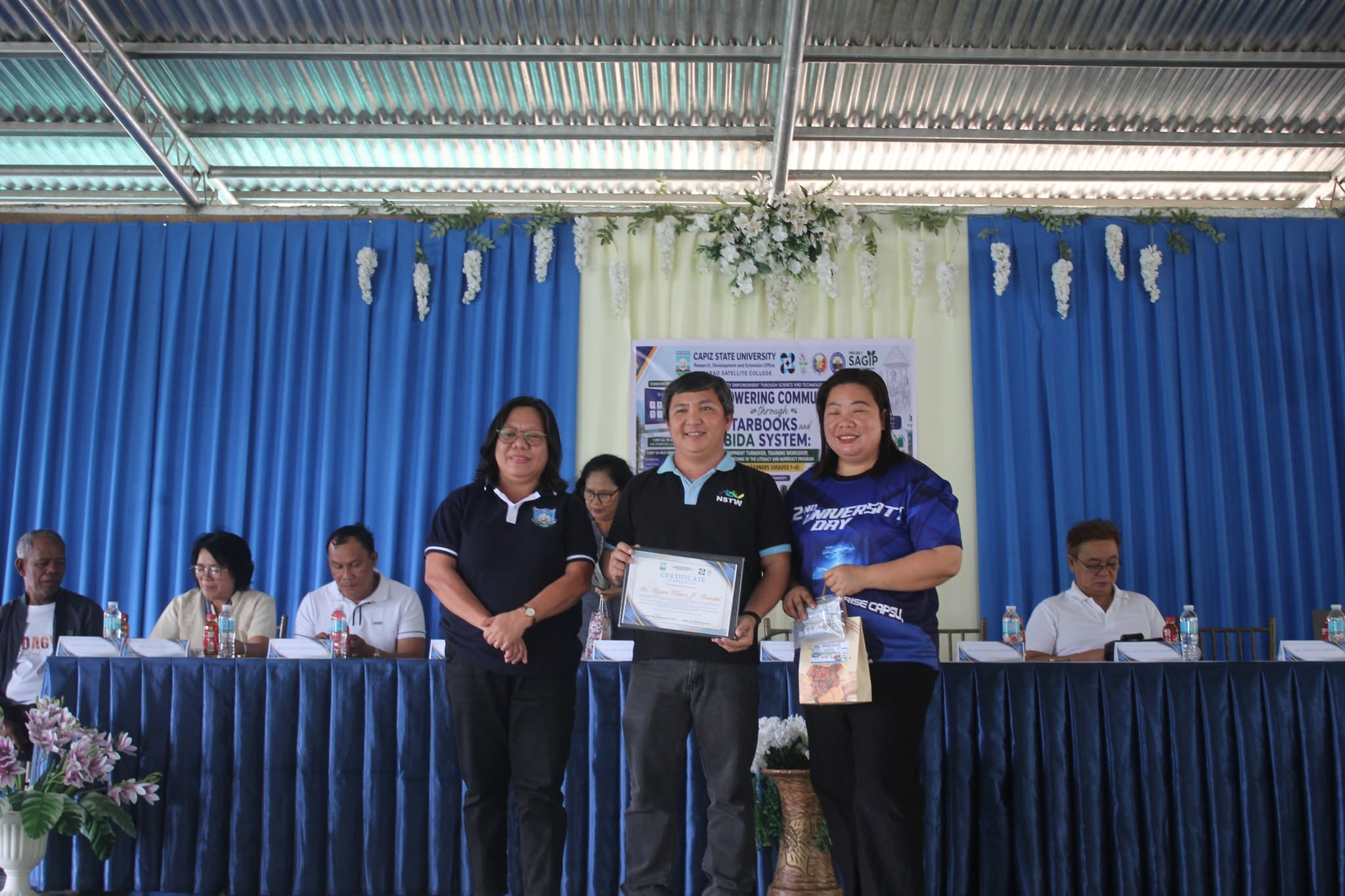
Representing DOST Capiz, Assistant Provincial Director for Science and Technology Mr. Ryan Vilmor Dumpit underscored the significance of the project in expanding educational access in remote communities. He also reminded stakeholders of their shared responsibility to preserve and maximize the benefits of the newly installed technologies.
“We shall create opportunities and find solutions. Alagaan natin ang mga equipment na ibinigay sa atin,” Dumpit said, emphasizing the importance of sustainability and community ownership.
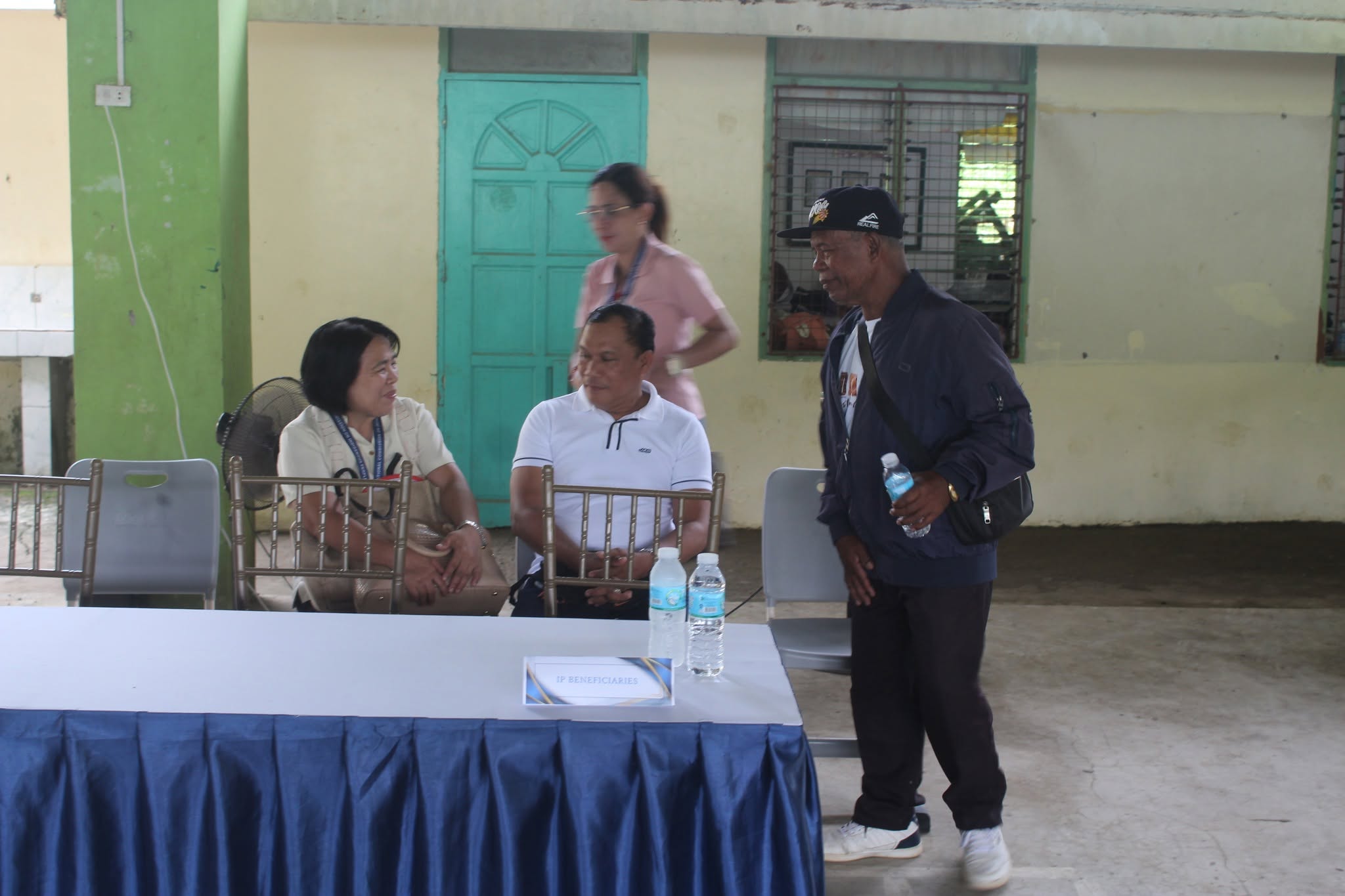
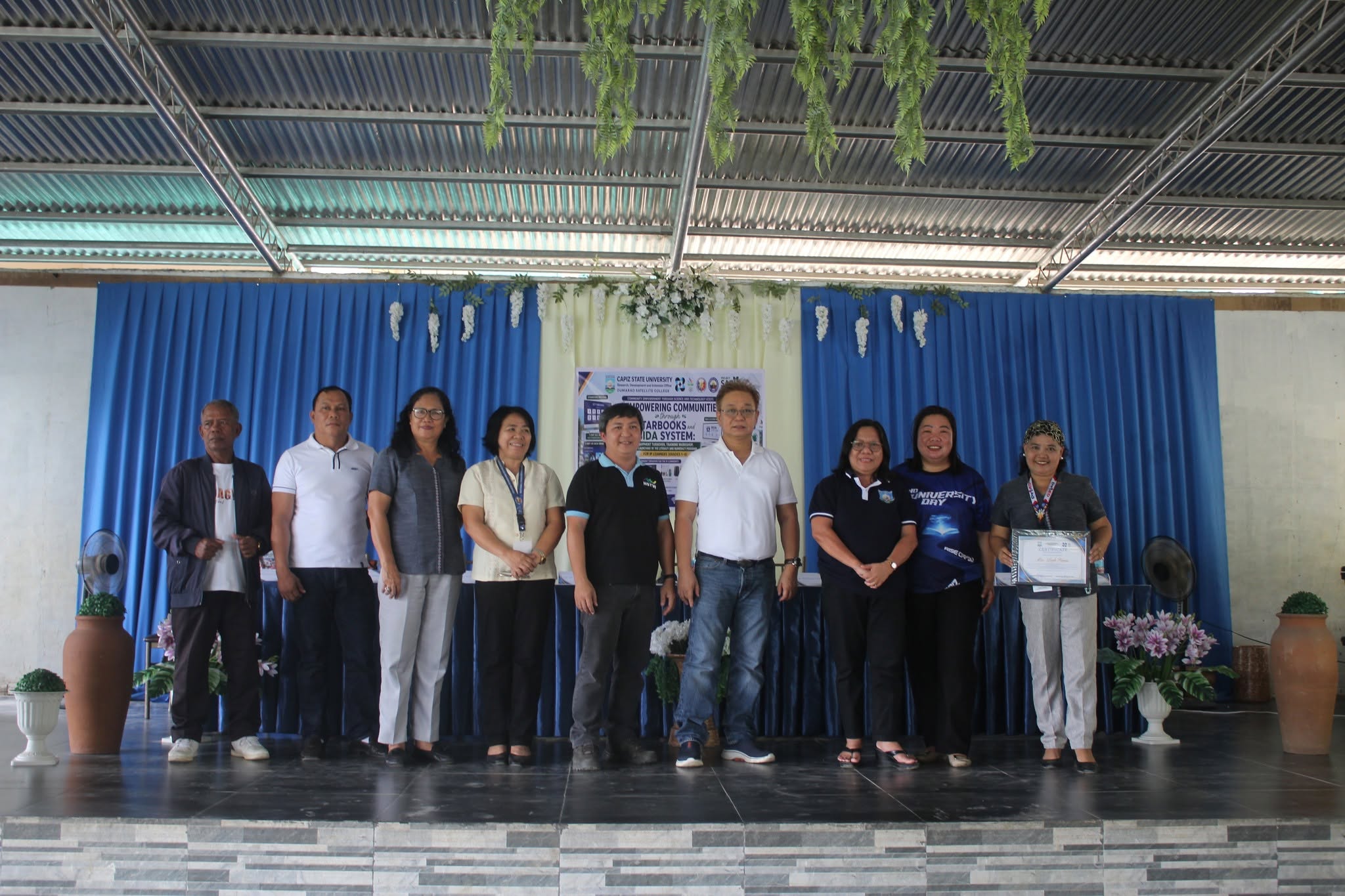
Also present during the activity were Ms. Rubie Capada, Community Development Officer III of the National Commission on Indigenous Peoples (NCIP) Capiz Community Service Center; Dr. Jocelyn S. Legaspi, University Director for Extension and Development of CAPSU; and Ms. Leah Panes, faculty member and Indigenous Peoples Coordinator of Aglalana Integrated School.
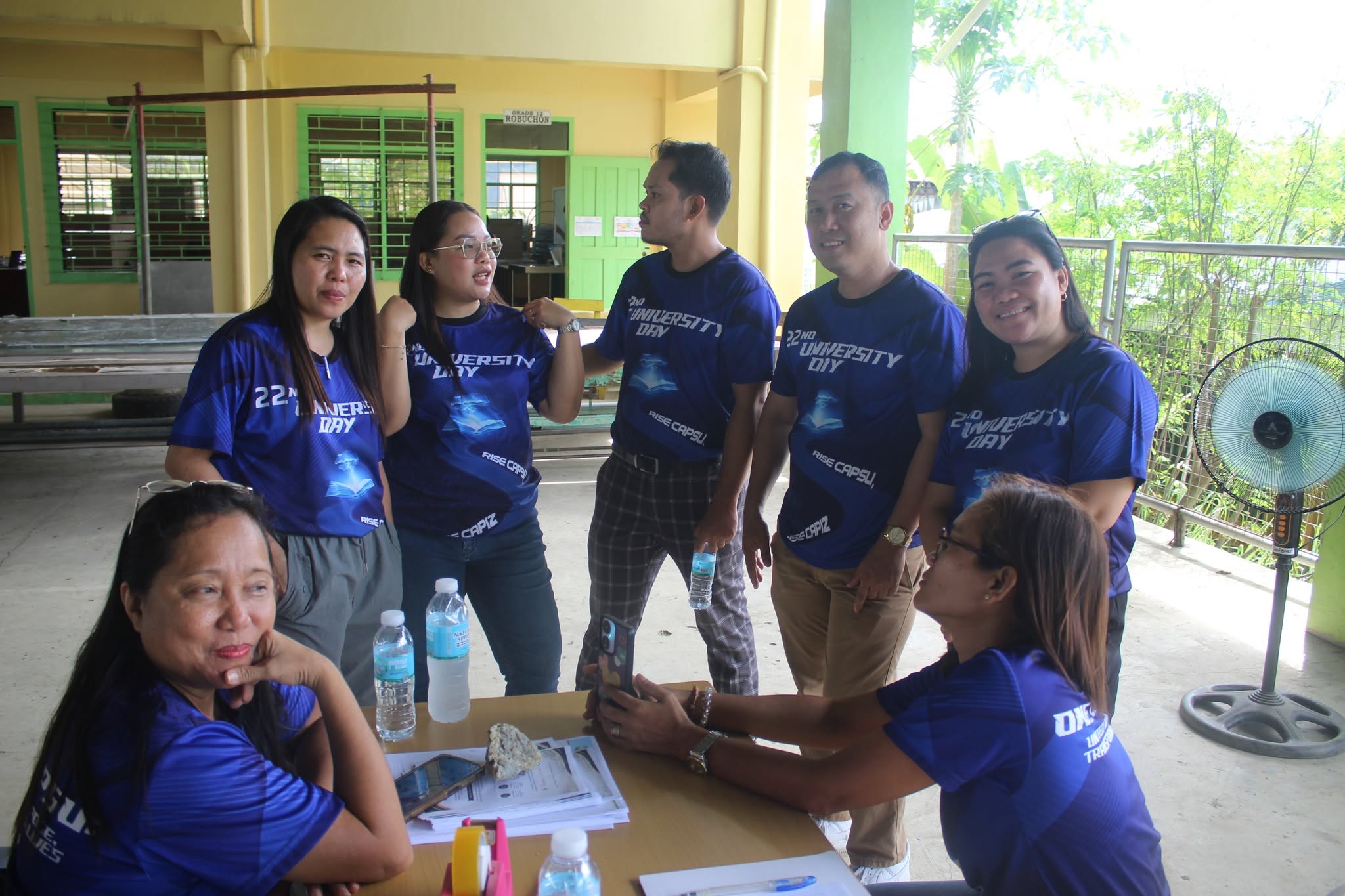
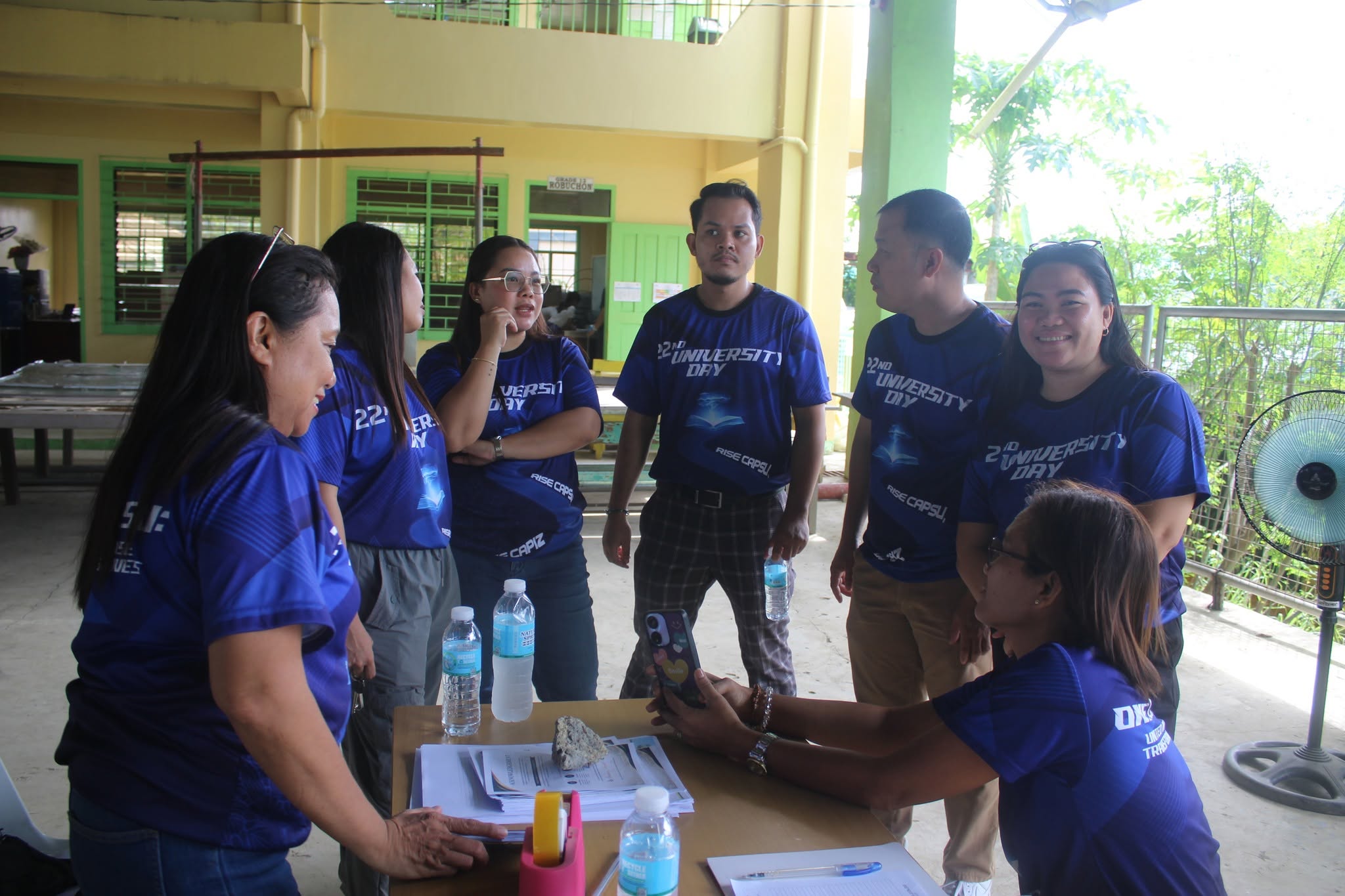
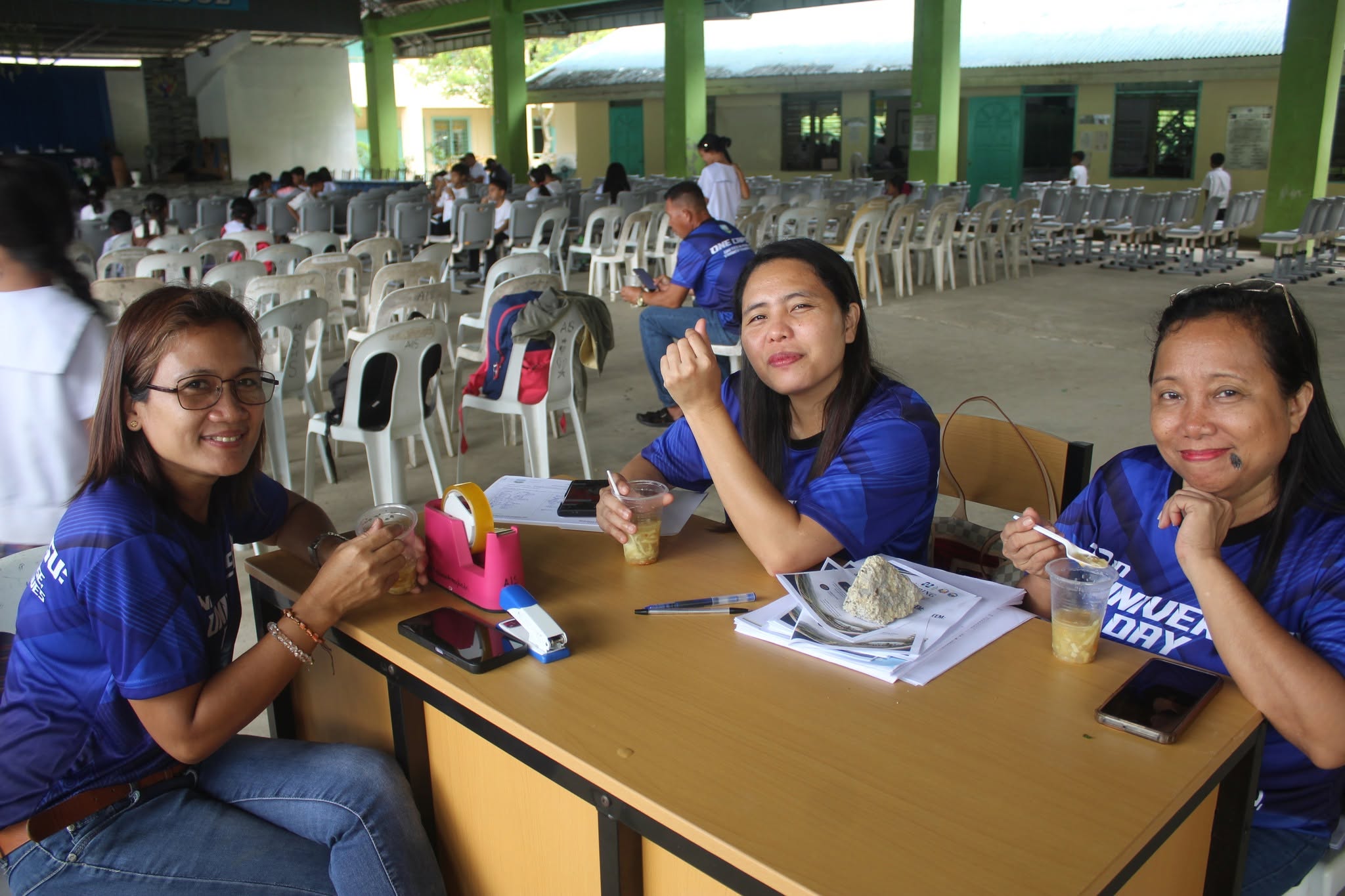
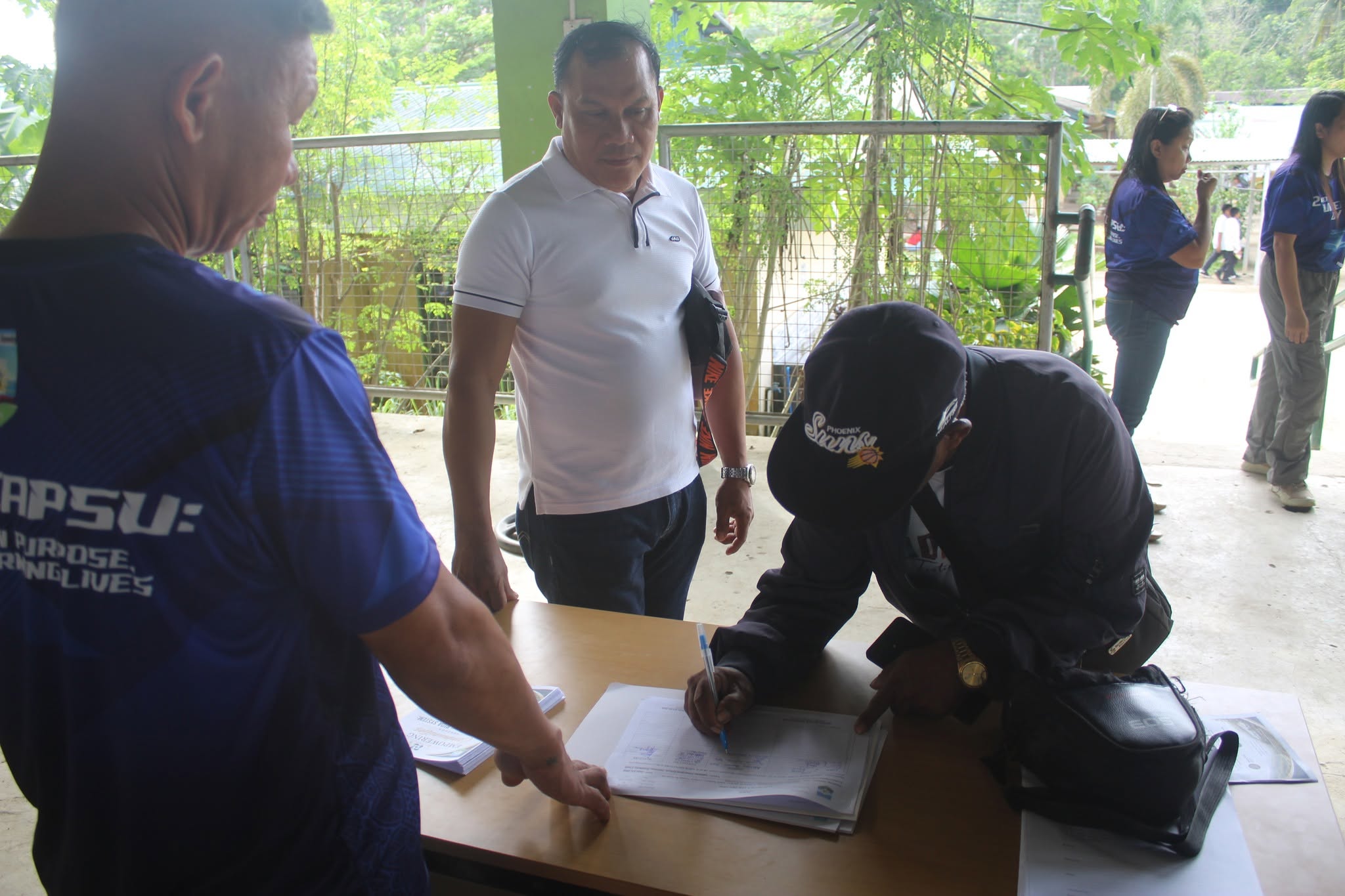
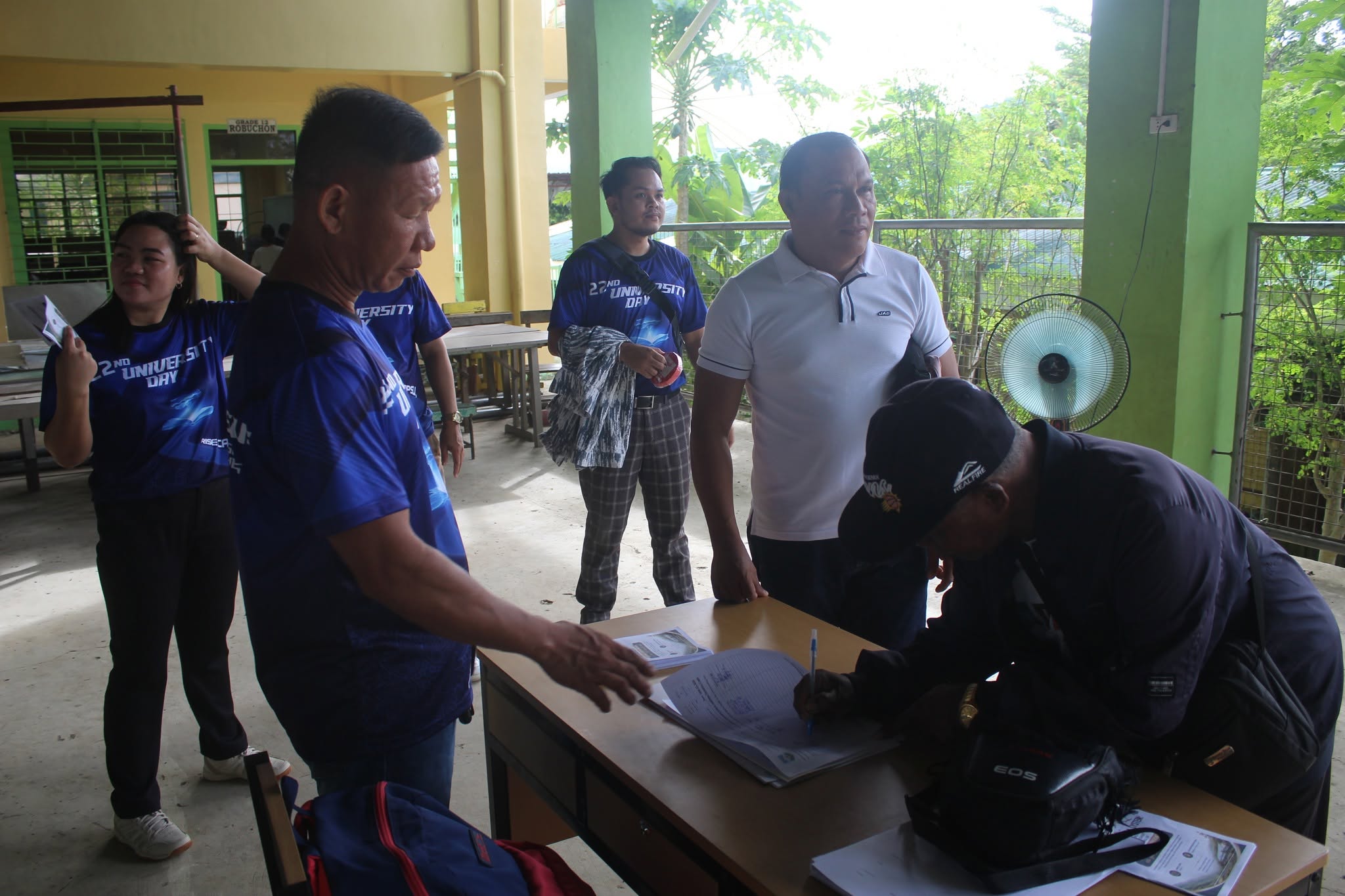
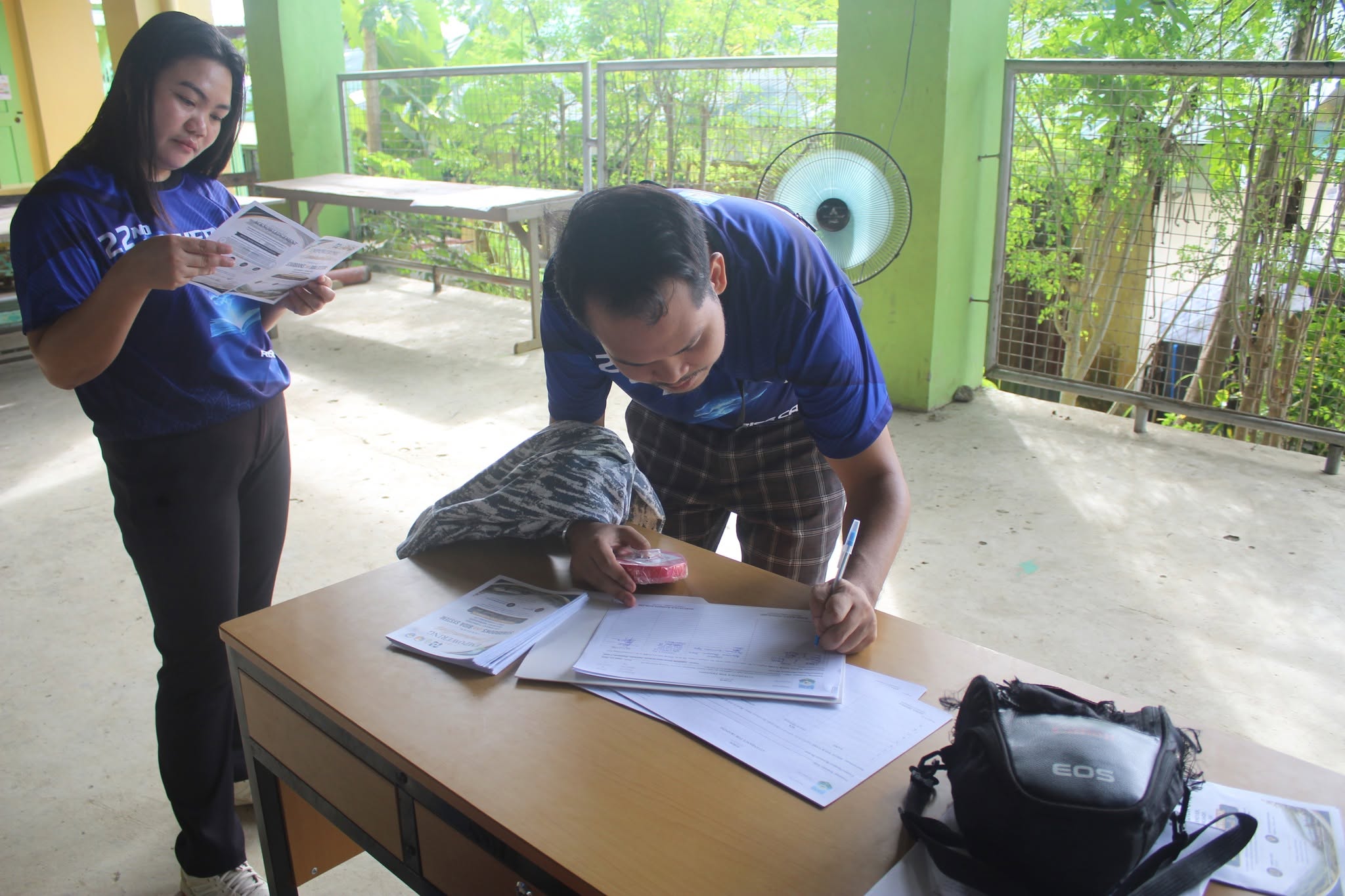
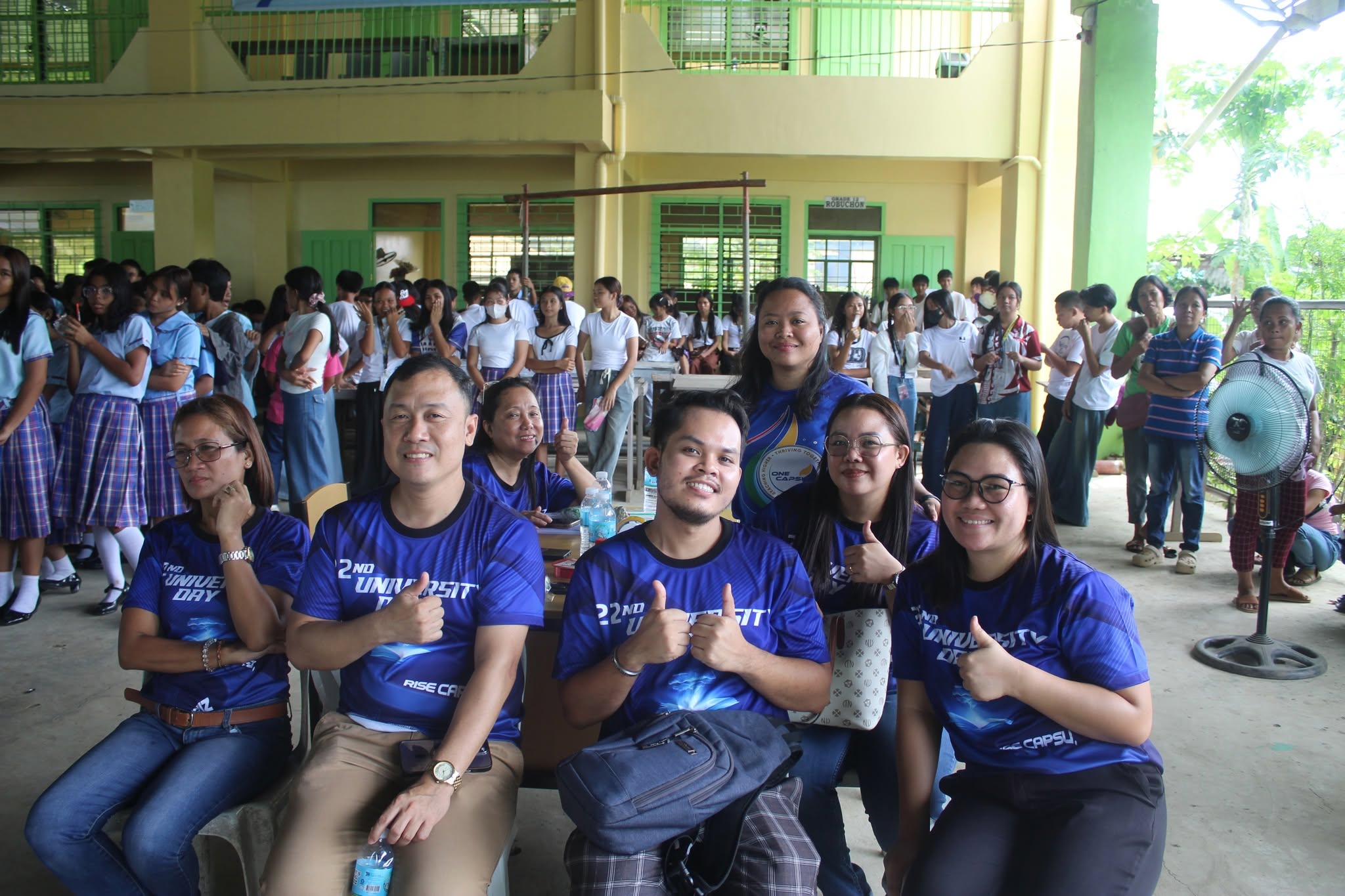
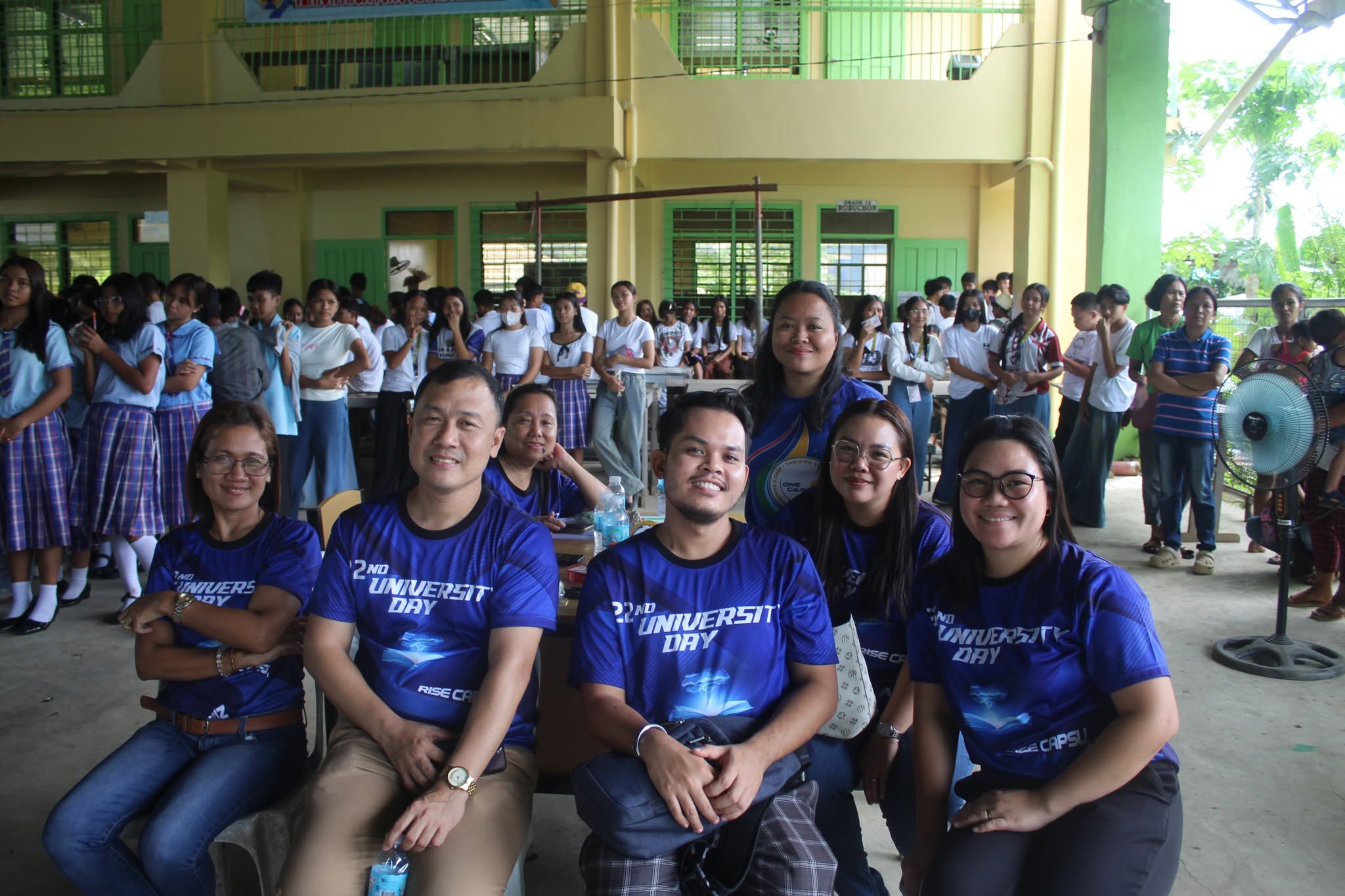
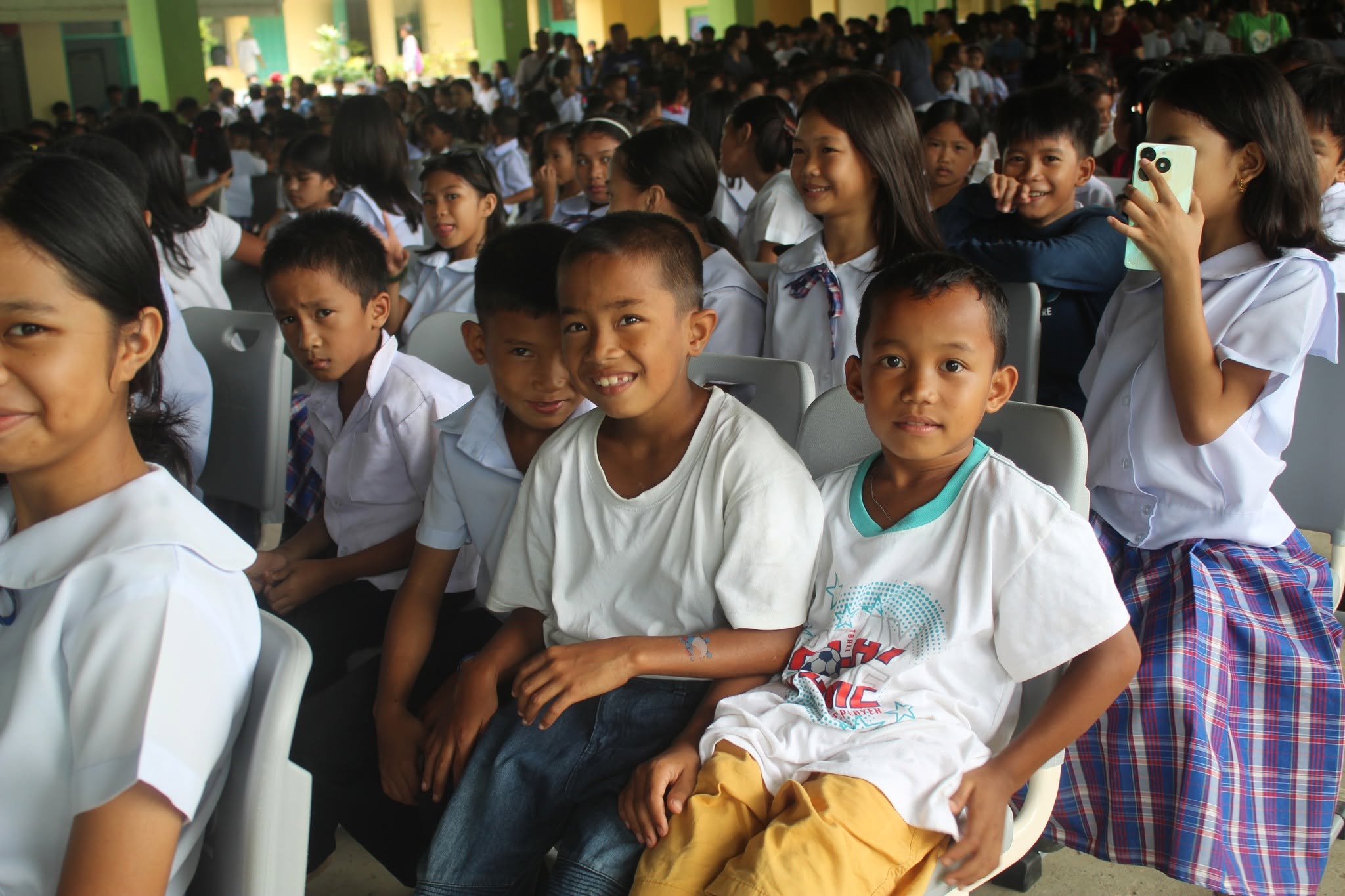
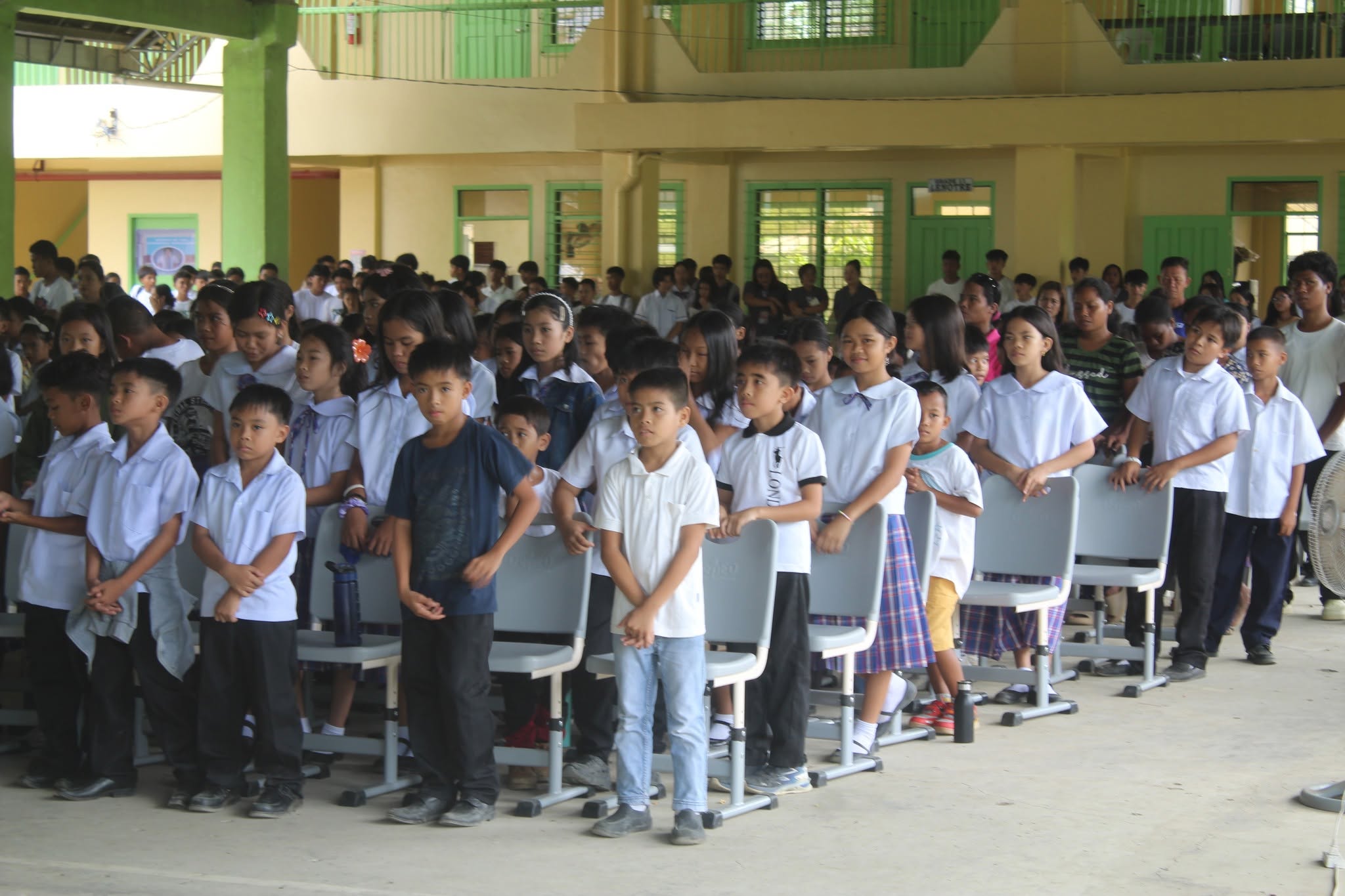
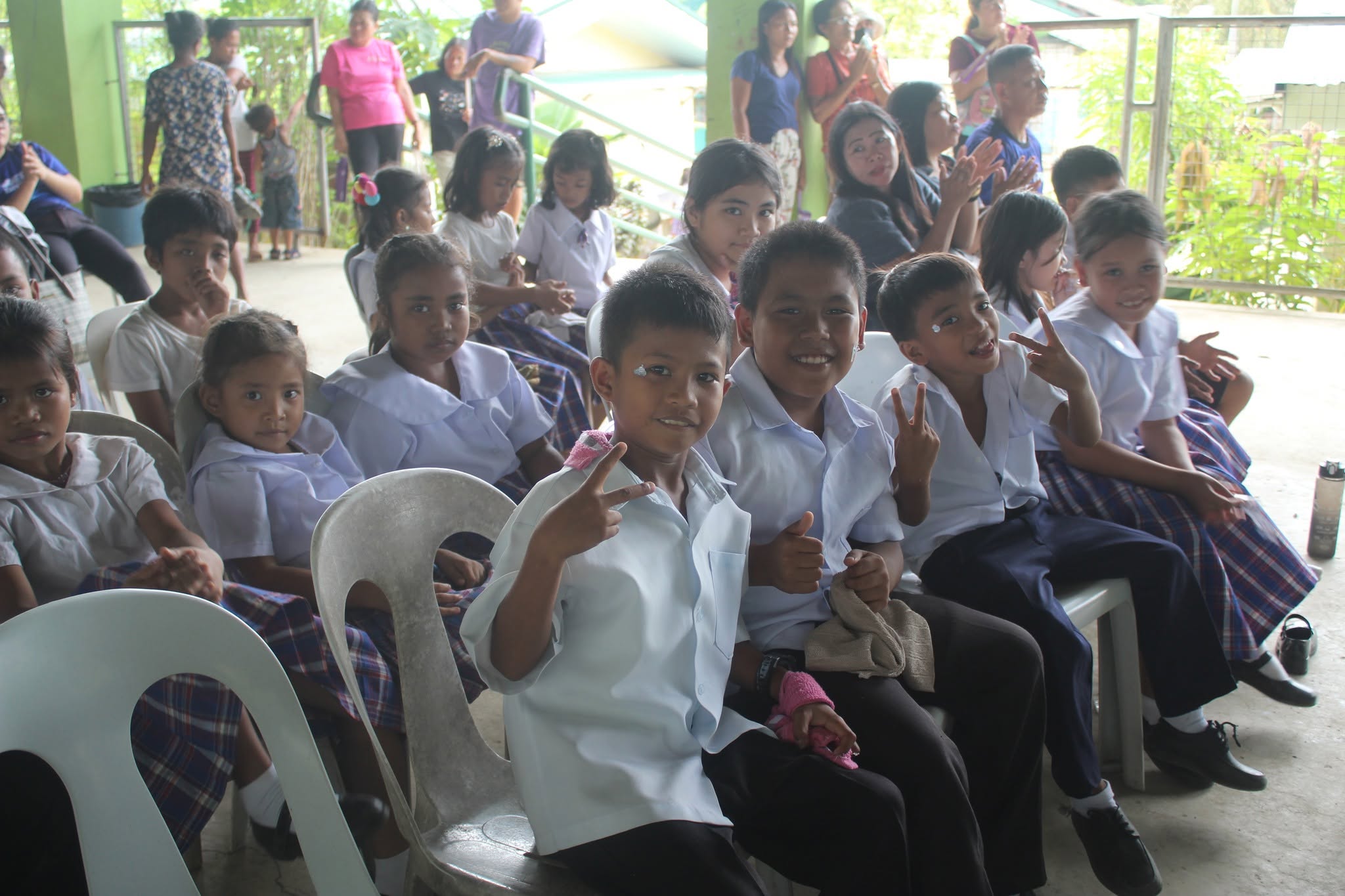
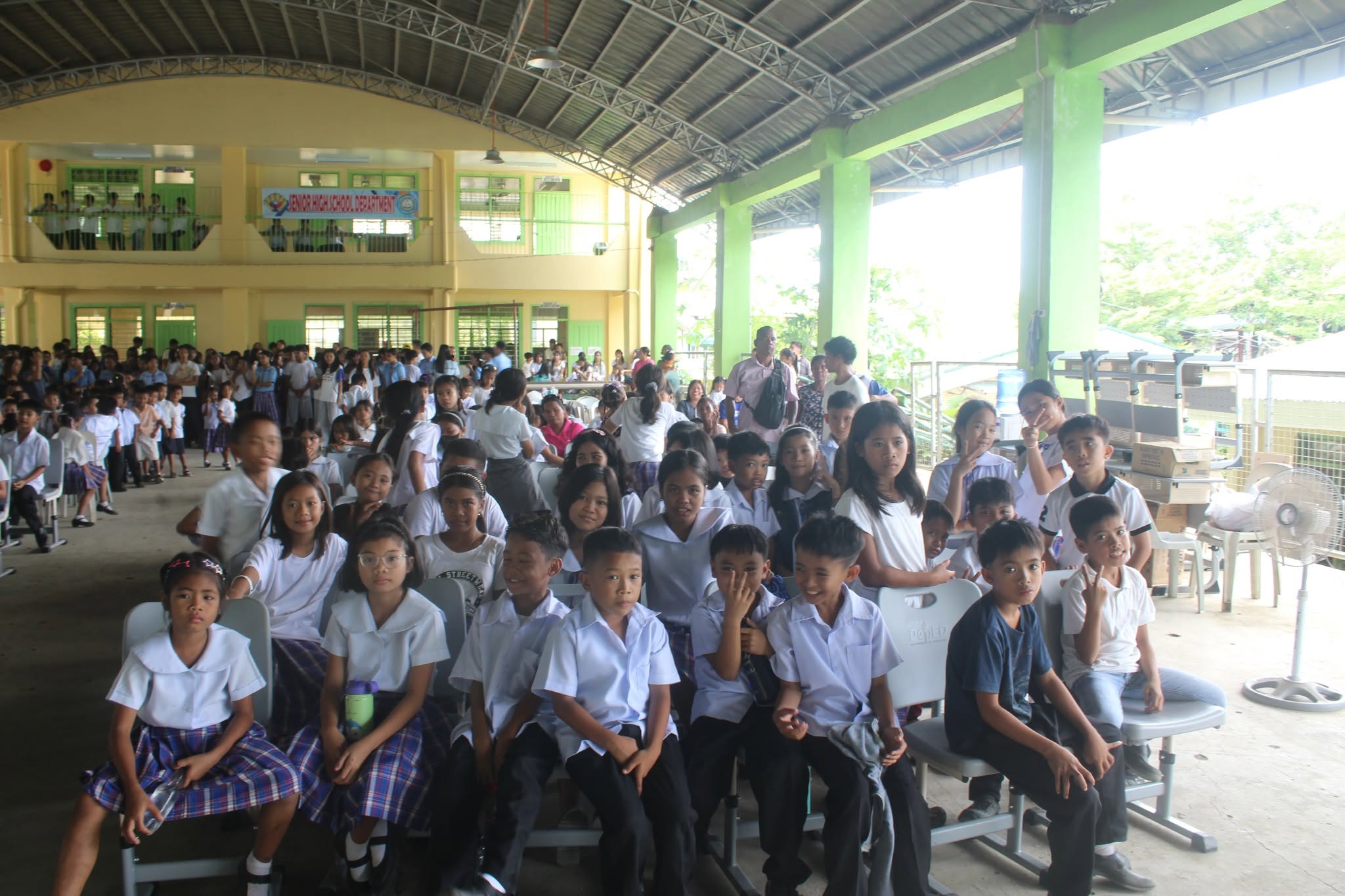
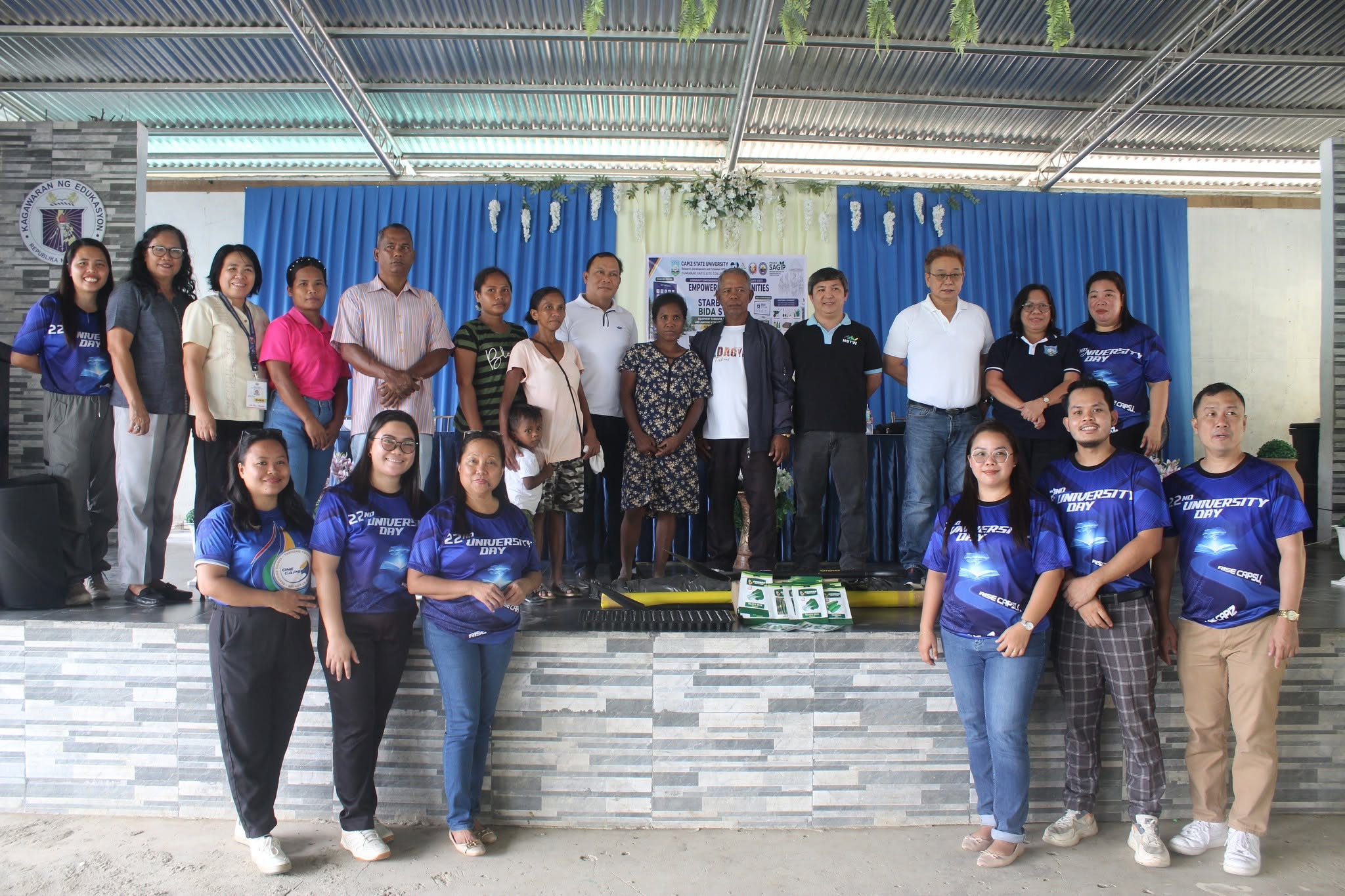
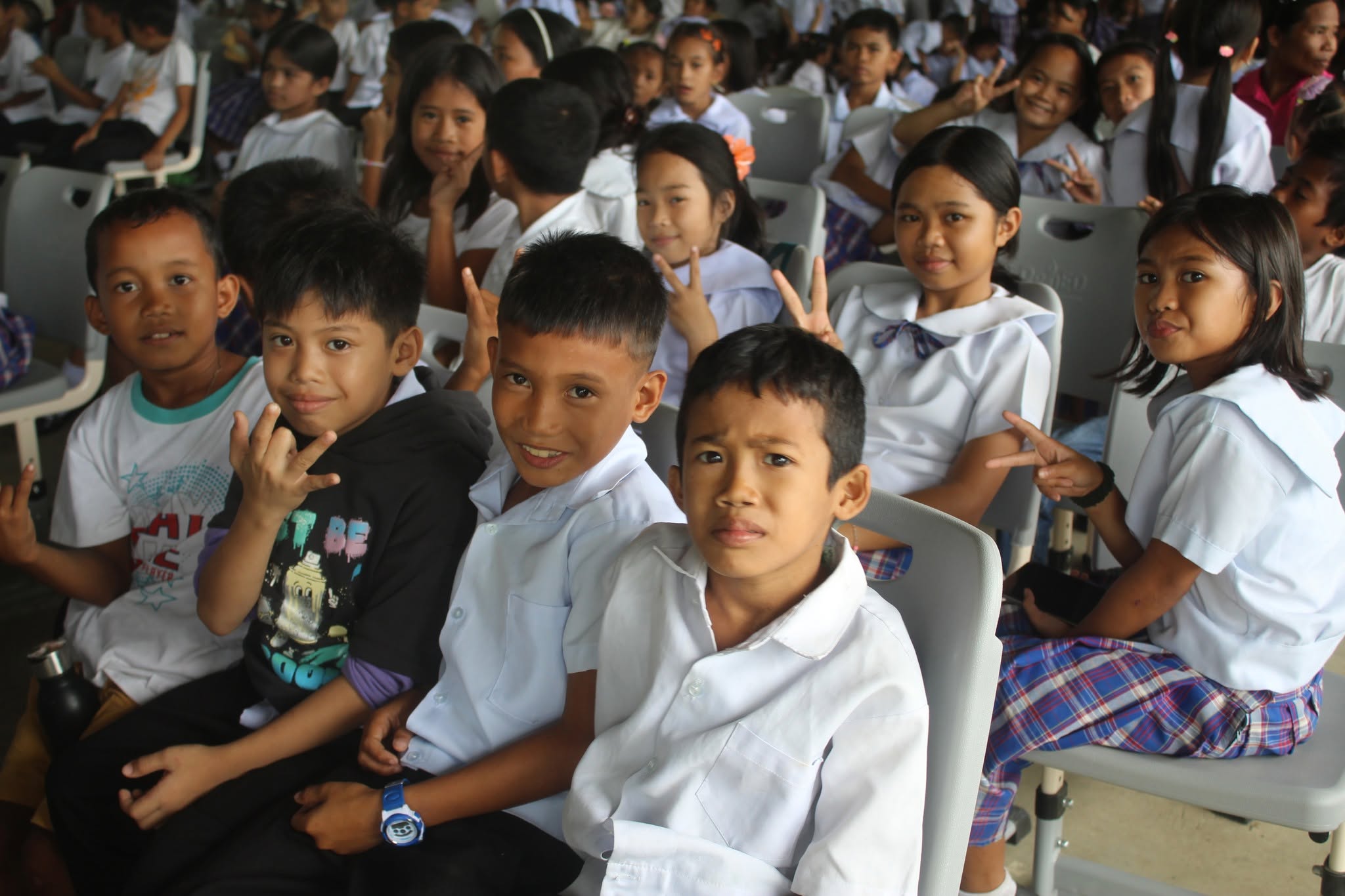
Faculty members from CAPSU Dumarao Satellite College, AIS teachers, parents, students, and community stakeholders likewise attended the event, demonstrating strong support for the initiative and its objectives.
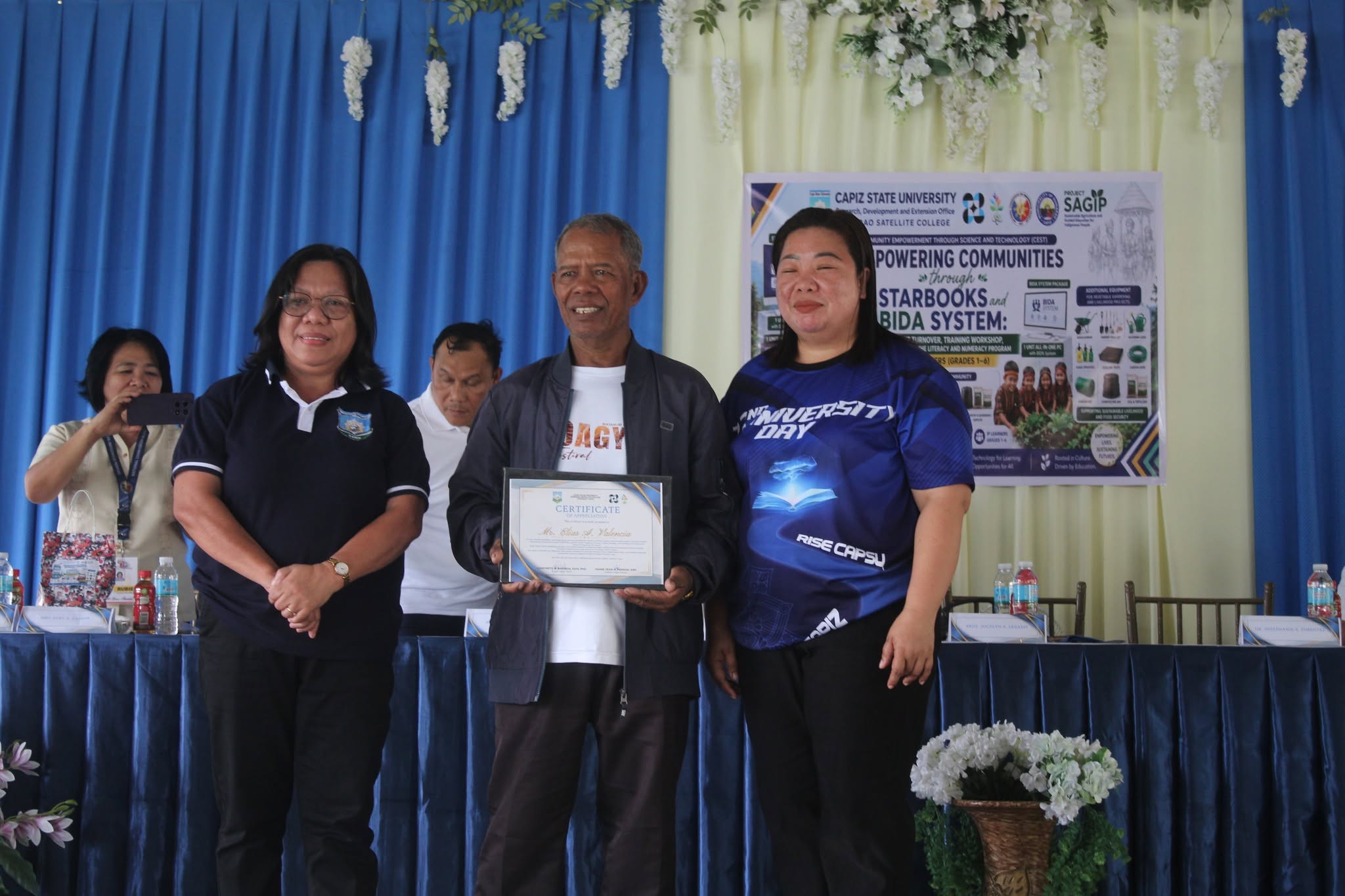
The gathering was further strengthened by the presence of local leaders, including Barangay Captain Hitalia, Pastor Valencia, and the chieftains of the Aeta and Bukidnon communities, underscoring a collective commitment to advancing education, community development, and inclusive growth.
𝗟𝗶𝘁𝗲𝗿𝗮𝗰𝘆 𝗮𝗻𝗱 𝗡𝘂𝗺𝗲𝗿𝗮𝗰𝘆 𝗣𝗿𝗼𝗴𝗿𝗮𝗺 𝗜𝗻𝘁𝗿𝗼𝗱𝘂𝗰𝗲𝗱
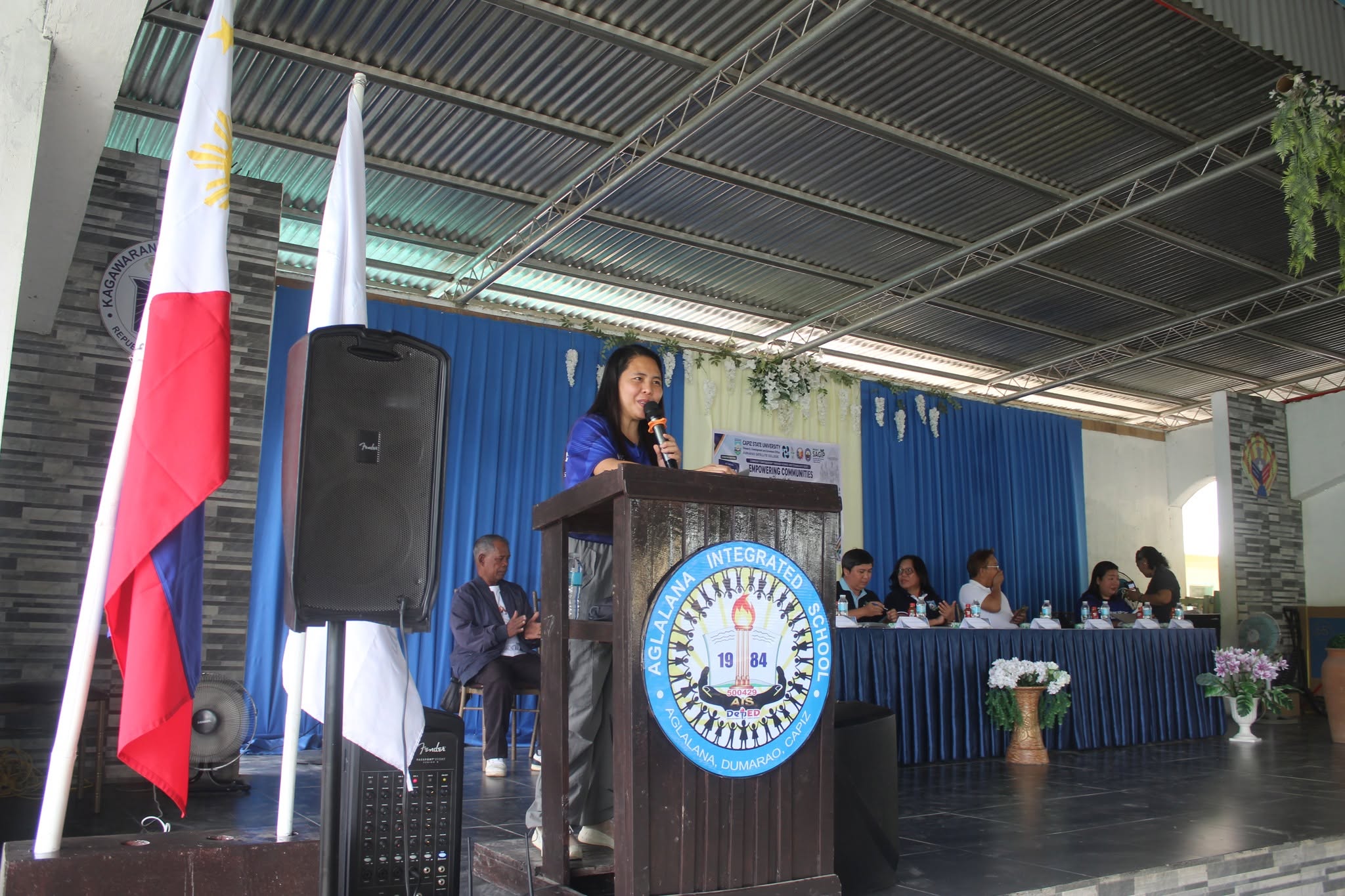
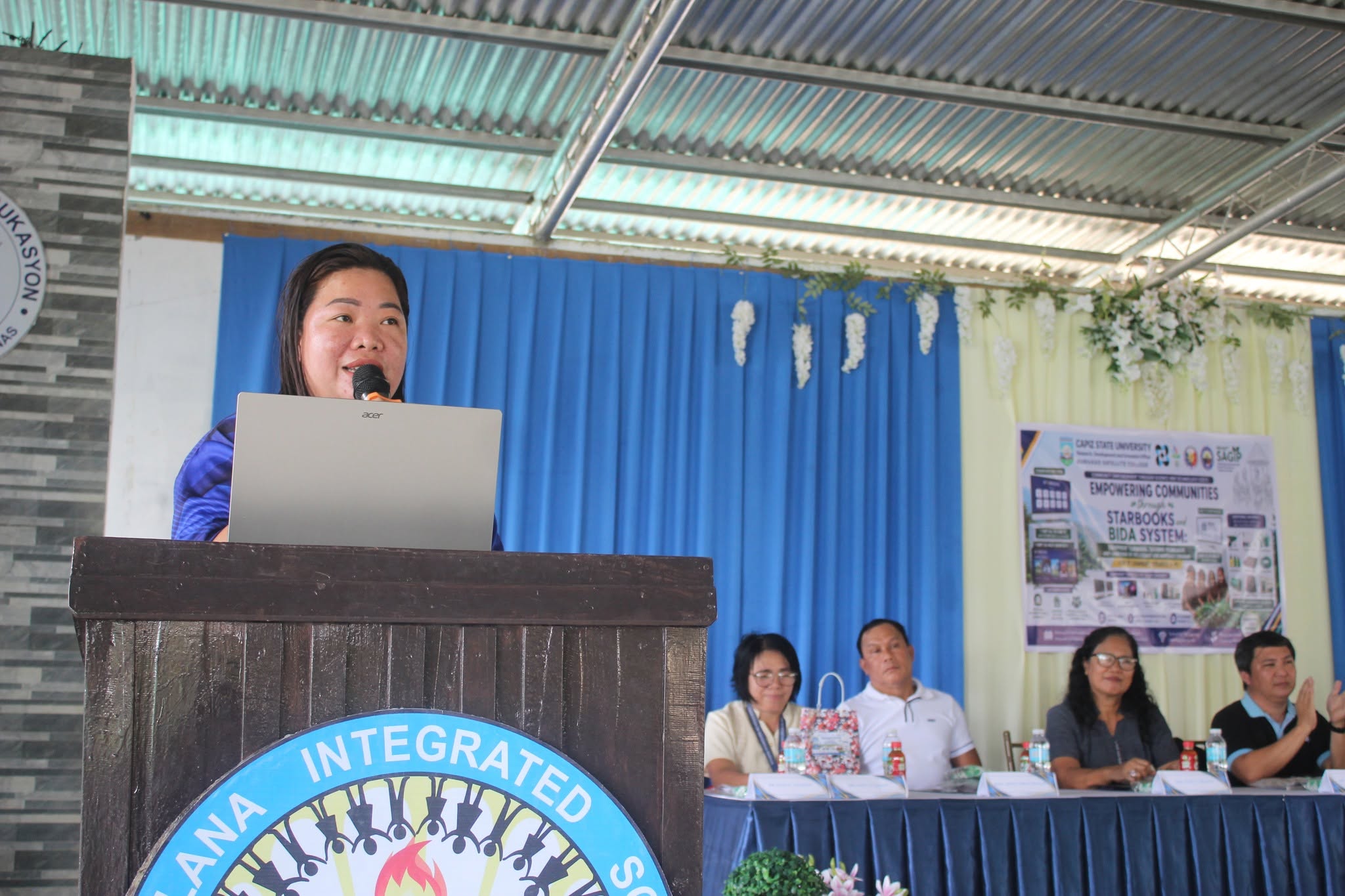
Another key component of the activity was the introduction of the literacy and numeracy intervention program under the SAGIP Project. Prof. Jane Tropico, project implementer, presented the program framework, objectives, implementation strategies, and expected outcomes designed to strengthen foundational literacy and numeracy skills among learners.
The initiative forms part of the broader SAGIP Project led by Dr. Marneth Barrios, project head, which integrates educational support, technological innovation, and community engagement to address learning challenges and improve educational outcomes among underserved populations.
𝗛𝗮𝗻𝗱𝘀-𝗢𝗻 𝗧𝗿𝗮𝗶𝗻𝗶𝗻𝗴 𝗣𝗿𝗼𝗺𝗼𝘁𝗲𝘀 𝗦𝘂𝘀𝘁𝗮𝗶𝗻𝗮𝗯𝗶𝗹𝗶𝘁𝘆
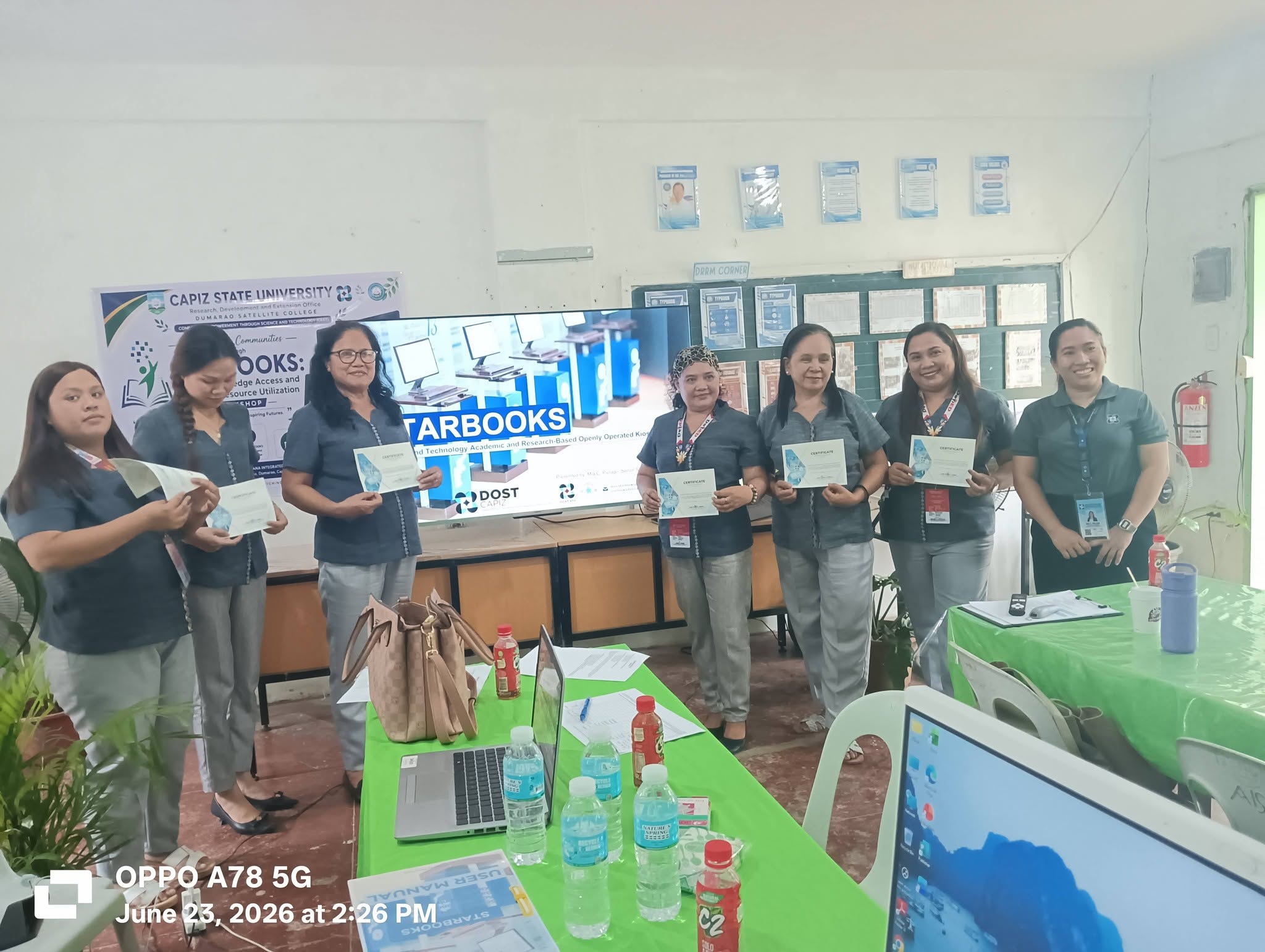
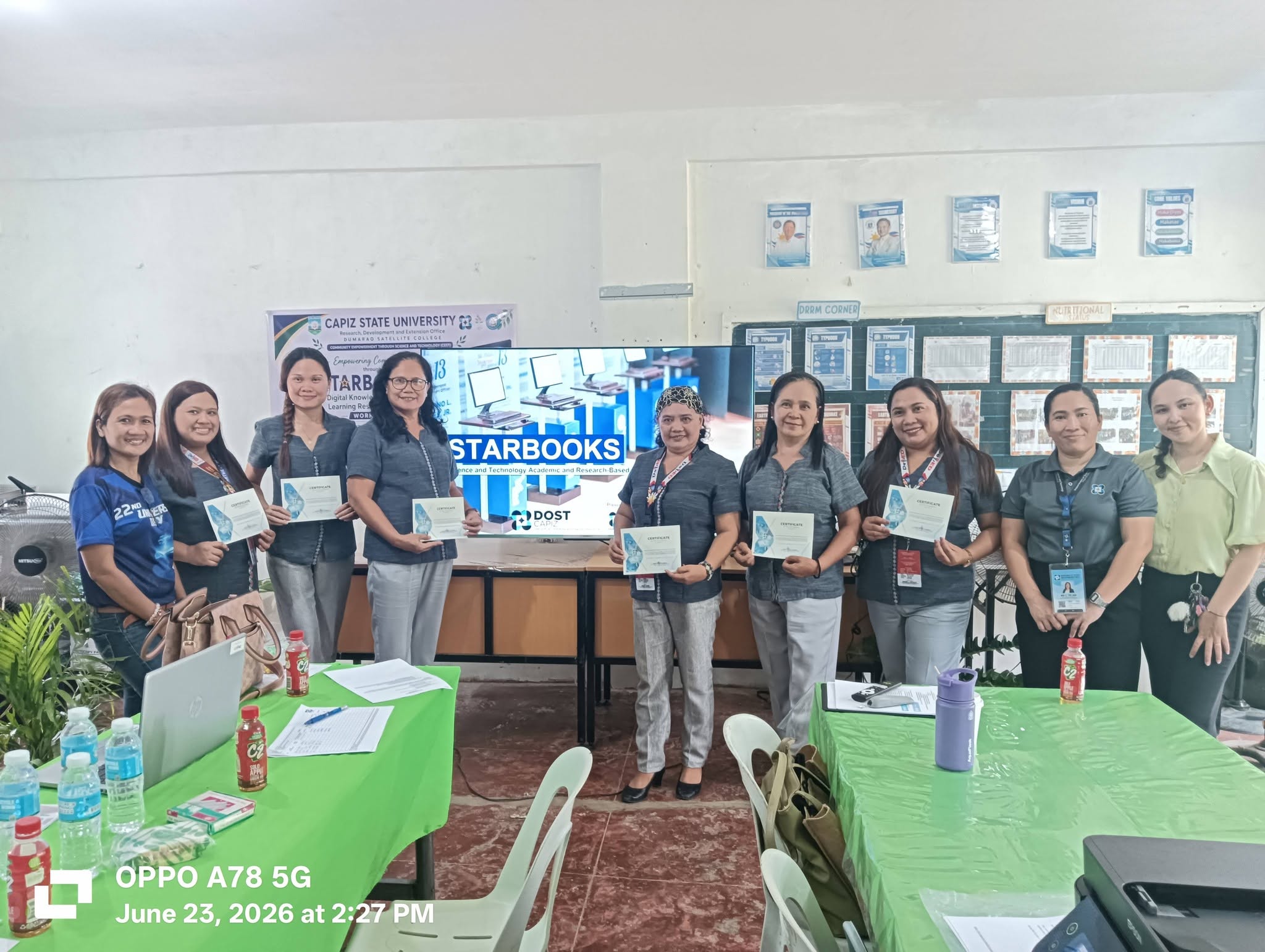
To ensure the effective utilization of the newly installed systems, the afternoon session focused on capacity-building through an orientation and hands-on training on the operation, utilization, and maintenance of the STARBOOKS and BIDA platforms.
Facilitated by Ms. Mia Pielago, DOST staff member, the training equipped selected AIS faculty members and Barangay Aglalana officials with the technical knowledge and practical skills needed to operate and maintain the systems.
Participants were guided through the platforms’ features, content navigation, troubleshooting procedures, and maintenance protocols to ensure their long-term functionality and sustainability. The training also highlighted how the systems can support classroom instruction, independent learning, and community-based educational activities.
𝗔𝗱𝘃𝗮𝗻𝗰𝗶𝗻𝗴 𝗜𝗻𝗰𝗹𝘂𝘀𝗶𝘃𝗲 𝗮𝗻𝗱 𝗧𝗲𝗰𝗵𝗻𝗼𝗹𝗼𝗴𝘆-𝗗𝗿𝗶𝘃𝗲𝗻 𝗘𝗱𝘂𝗰𝗮𝘁𝗶𝗼𝗻
The collaboration among DOST, CAPSU, the National Commission on Indigenous Peoples, and the Local Government Unit of Dumarao reflects a shared commitment to bringing science, technology, and quality education closer to underserved communities.
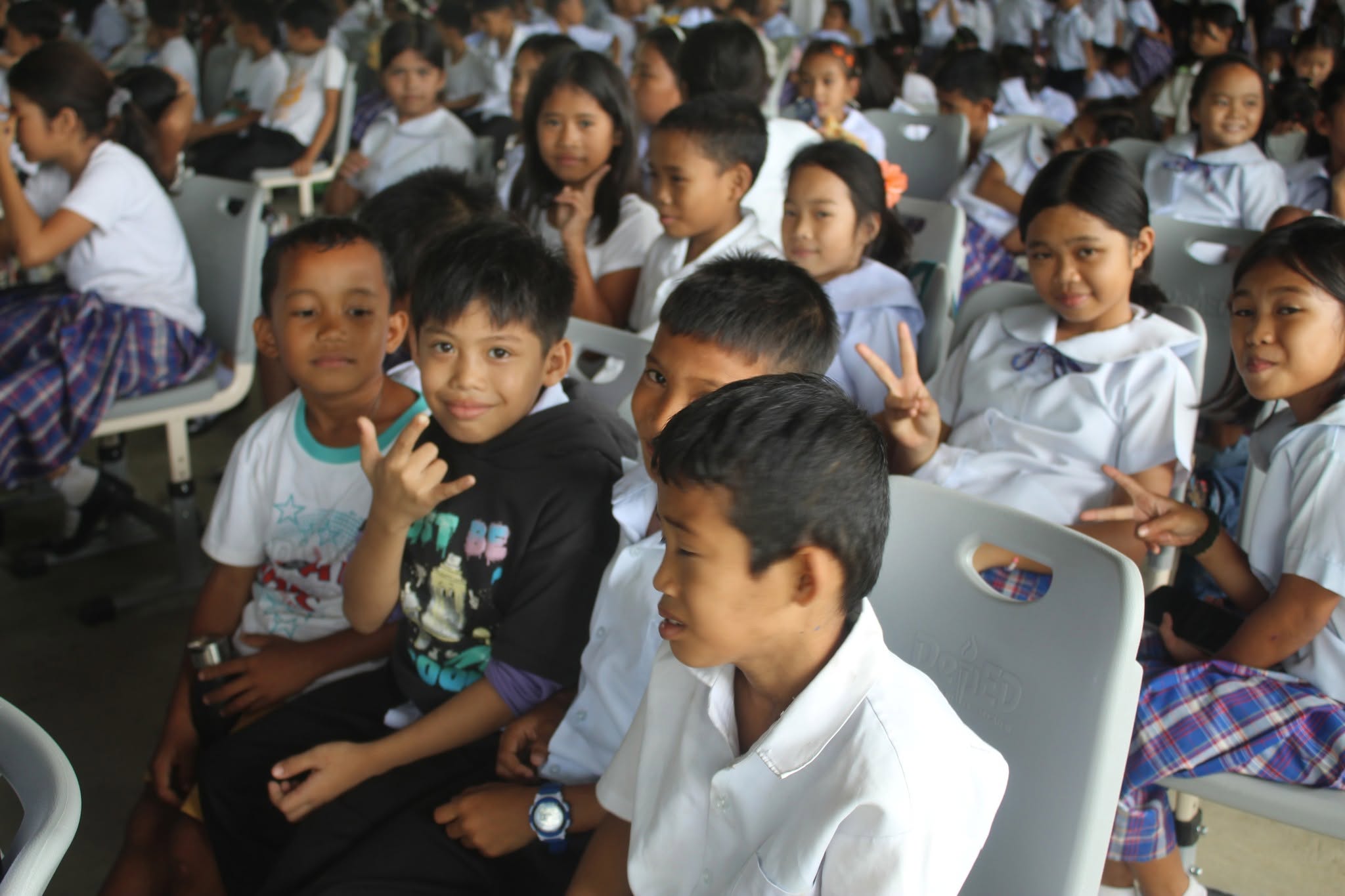
With the learners of Aglalana Integrated School as the primary beneficiaries, the SAGIP Project aims to strengthen literacy and numeracy competencies, expand access to educational resources, and create meaningful learning opportunities that empower young learners and contribute to the long-term development of their communities.
Through the integration of innovative technologies such as STARBOOKS and the Barangay Infosystem for Development and Accountability (BIDA) System, coupled with literacy and numeracy interventions and livelihood support initiatives, the project demonstrates how strategic partnerships can bridge educational gaps, promote digital inclusion, and create sustainable opportunities for future generations.
As the SAGIP Project continues to expand its initiatives, DOST and CAPSU remain committed to empowering learners and communities through innovative, technology-driven, and sustainable educational interventions that foster lifelong learning, community resilience, and inclusive development.
Source: https://www.facebook.com/SalingsingPub/posts/pfbid...